Polish Strategist: Iran Prepared for Years, While U.S. Lacks Capacity for Protracted War

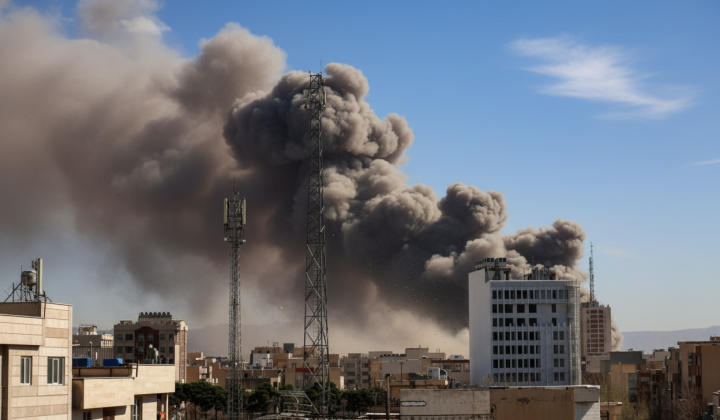
Piotr Kulpa's Analysis of Iran and U.S. Strategy
According to ХВИЛЯ: Polish strategist Piotr Kulpa, speaking on political analyst Yuriy Romanenko's program, assessed Iran's preparations for a potential conflict and U.S. strategy for regime change. He stated that the primary goal of the U.S. administration is to replace the current Iranian regime with one similar to that of the Shah Reza Pahlavi, who was overthrown in 1979. Kulpa, however, views this objective as unattainable.
According to his analysis, Iran has been actively preparing for a major war for years, building up its arsenal with support from other nations. He specifically highlighted that Iran has received military aid from China, as well as through intermediaries like North Korea, Russia, and Belarus.
'Simply from Belarus, large aircraft were constantly flying, which points to close cooperation.' - Piotr Kulpa
Kulpa also commented on internal crises in Iran, including protests that occurred two months ago. He suggested these could have been provocations by security services to draw people into the streets and neutralize activists. 'Thus, I believe the level of resilience of this regime has become much stronger,' the strategist said.
Doubts Over U.S. Warfighting Capabilities
Regarding potential U.S. involvement in a war, Kulpa expressed skepticism about America's ability to sustain a prolonged conflict due to legal and logistical constraints. He noted that while the president has the authority to initiate a war, such a conflict would be limited to 100 days, then 60 days, after which Congressional approval would be required.
He also emphasized 'objective reasons' that could limit U.S. capabilities, specifically citing the number of missiles available.
Kulpa summarized that Iran's strategy is to 'not surrender' and withstand pressure. He further commented on shifts in U.S. foreign policy, observing that the situation has changed, leading to a new dynamic where 'Trump, who suspended eight wars, has now started eight wars in one day.' This analysis comes amid heightened regional tensions, where proxy conflicts and military posturing are common. The strategic calculations of both nations will significantly influence Middle Eastern stability.
The situation between Iran and the U.S. remains tense, and Kulpa's comments reflect the multifaceted nature of this standoff. On one hand, Iran continues to fortify its military position with support from other states, while on the other, the U.S. faces challenges in waging war tied to its domestic political processes. This dynamic could impact future developments in the region and global security.

Read also