Tiny Device Prevents Self-Driving Cars from Being Blinded

A New Photomemristor Breakthrough
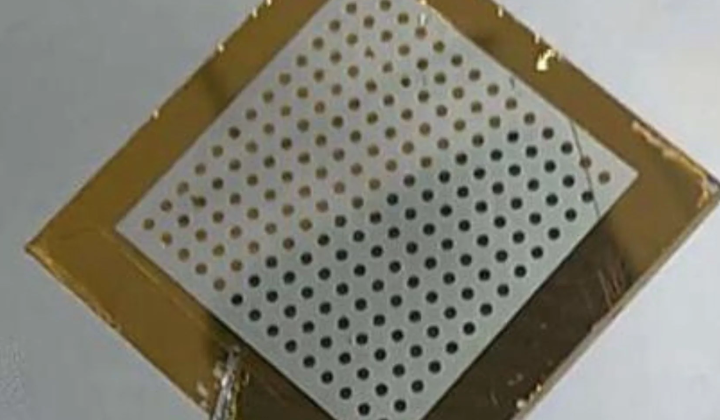
According to НВ — Техно: On June 9 at 6:30 PM, researchers announced the creation of a photomemristor just 0.5 mm in diameter that converts light energy into electrical current. Designed to tackle the issue of optical system blinding in autonomous vehicles, this innovation addresses challenges posed by mixed lighting conditions-such as the stark contrast between a dark night sky and the bright headlights of oncoming cars, as noted by co-developer Larry Cheng.
The photomemristor combines titanium dioxide with a flexible polymer called PEDOT. Titanium dioxide acts as a light detector, capturing light and turning it into electrical current. When current flows, the polymer absorbs water vapor in darkness, causing it to swell; under bright light, it dries out. This dual capability allows photomemristors to both sense light and store information simultaneously.
Technology Testing
To evaluate the technology, a 4x4 matrix was built and linked to a neural network. The challenge was to identify a dimly lit letter F against a bright backdrop. After seven training cycles, the matrix achieved a 95% recognition accuracy. The team has already filed a preliminary patent application, signaling the technology’s potential for future deployment.
The development of the photomemristor could significantly impact autonomous vehicle technology by offering new ways to improve performance in mixed lighting environments.
Larry Cheng
If successfully implemented, this technology could enhance road safety by reducing risks tied to blinding of both human drivers and vehicle sensors. The patent application marks a key step toward commercializing the innovation, potentially opening fresh opportunities in the autonomous vehicle market.

Read also