Kharkiv Court Denies Legal Family Status to Same-Sex Military Couple

Court Rejects Recognition of Family Ties
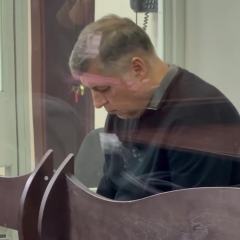
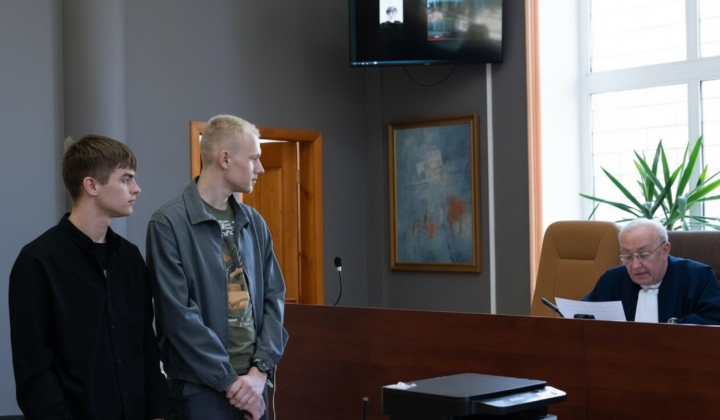
According to Главком: A court in Kharkiv's Industrial District has refused to legally recognize the family relationship between National Guardsman Dmytro Liaskovetskyi and his partner, Yevhenii Donets. The couple sought legal status to grant them access to medical decision-making and social protections. While same-sex marriage remains constitutionally prohibited in Ukraine, the Supreme Court has previously acknowledged similar domestic partnerships in other cases, creating a legal contradiction. This case highlights the ongoing struggle for LGBTQ+ rights in Ukraine, a nation balancing traditional values with aspirations for European integration.
The court examined the case of Dmytro Liaskovetskyi and Yevhenii Donets, who live together, share a household, and manage their daily lives jointly. Despite this evidence of a committed partnership, the court ruled against recognizing them as a family. Ukrainian law, under Article 51 of the Constitution and Article 21 of the Family Code, explicitly forbids same-sex marriage.
Public Reaction and the Significance of Legal Recognition
Last year, in a contrasting decision, the Supreme Court of Ukraine recognized the family bond between Zorian Kisem and Tymur Levchuk, who had cohabited since 2013. That ruling sparked public debate, suggesting a potential shift in the legal landscape for same-sex partnerships in the country.
“Dmytro is a soldier. If he ends up in a hospital, I don’t even have the right to visit him-only relatives can. Legally, I am a stranger to him.”
Dmytro Liaskovetskyi
This statement underscores the urgent need for legal protections for same-sex couples, especially when one partner faces a medical emergency.
Yevhenii Donets also commented on the situation: “At my job, I am treated completely normally. I do my work like anyone else. I am a serviceman, and there are many risks associated with that. Legal recognition as a family would equate Yevhenii to a next-of-kin.” His words highlight that the issue of legal security remains critical, particularly given the dangers inherent in military service.
From a legal standpoint, without official recognition, such couples are denied access to hospital resuscitation units or wards, the right to make medical decisions for an incapacitated partner, and social security or compensation payments in the event of a partner's injury or death. These restrictions not only violate their rights but also jeopardize their ability to receive essential support during crises.
The Kharkiv court's refusal to recognize the bond between Liaskovetskyi and Donets emphasizes the persistent legal barriers for same-sex couples in Ukraine, despite some progressive rulings from the Supreme Court. This situation reflects a pressing need for legislative reform to ensure equal rights for all citizens, regardless of sexual orientation, particularly concerning medical and social welfare. The debate over legal recognition for same-sex partnerships remains a vital part of public discourse, which may eventually drive future changes in the law.
The recent ruling in Kharkiv underscores the complex legal landscape for LGBTQ+ rights in Ukraine, especially in light of previous decisions. Notably, the Supreme Court's affirmation of a same-sex partnership last year has raised hopes for a potential shift in legal recognition, despite ongoing challenges faced by couples like Dmytro Liaskovetskyi and Yevhenii Donets. This evolving context highlights the urgent need for clear legal protections for same-sex relationships in Ukraine.

Read also