Moscow Court Permits Foreign Tech to be Registered as Russian in Import Substitution Case

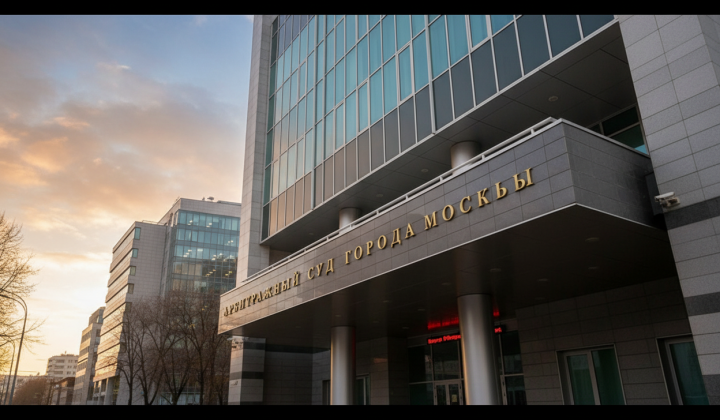
Court Ruling on Ministry of Industry and Trade Lawsuit
According to Главком: The Moscow Arbitration Court has dismissed a lawsuit from the Russian Federation's Ministry of Industry and Trade against the joint-stock company 'Newco' for the recovery of 177.6 million rubles. The court ruled it permissible to register foreign technology as a Russian development under the country's import substitution program. The Ministry had demanded this sum from the company, which included subsidies, fines, and interest for the use of state funds.
In its suit, the Ministry argued that 'Newco's' products were based on ready-made technologies from a Danish company. However, the court found that the use of foreign platforms and components does not prove a lack of scientific development. According to the ruling, the project's goals were met, and revenue from product sales exceeded planned targets by 4%. The project report was accepted by the Ministry in 2022 without any objections, yet the lawsuit was filed only three years later.
Potential Consequences for Import Substitution
The Ministry of Industry and Trade has the right to appeal this court decision. This case highlights the persistent challenges Russia faces in achieving technological self-sufficiency, especially under international sanctions. Notably, Russian-made drones have been found to widely contain transistors of German origin, with Russia's annual need for such components potentially reaching half a million units. Furthermore, Russia has set a goal to produce 40,000 combat drones per year.
This legal dispute underscores the difficulties confronting Russian industry within the import substitution framework, particularly in the technology sector. The court's resolution could influence future investments in scientific research, as it affirms the possibility of legitimizing the use of foreign technology within national projects. Given the Ministry's option to appeal, the final outcome of this case may have significant implications for the future direction of Russia's import substitution policy.

Read also