Military Captain Fined for Drafting Son of Fallen Soldier

Verdict Against Captain Serhii Y.
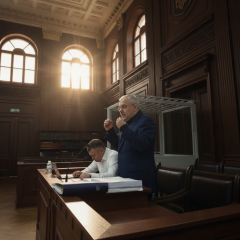
According to Главком: A court in the Kalush district of the Ivano-Frankivsk region has found Captain Serhii Y., head of a mobilization unit at a Territorial Recruitment and Social Support Center (TRSC), guilty of abuse of power and negligent performance of duty. He was fined 18,700 hryvnias for conscripting the son of a deceased soldier, who was legally entitled to a deferment from military service. This case highlights the legal and ethical complexities surrounding Ukraine's ongoing mobilization efforts.
The incident leading to the trial occurred in early February 2026, with the court hearing the case in March of the same year. Judge Oleksandra Kardash presided over the proceedings. Captain Serhii Y. submitted a formal admission of guilt, which may have influenced the court's final decision. The ruling can still be appealed, but it currently stands as final.
Legal Changes and Social Tensions
It is important to note that since July 17, 2024, legislation has required TRSCs to conduct notification procedures with photo and video recording, a protocol approved by then-Defense Minister Rustem Umerov. In August 2025, Defense Minister Denys Shmyhal issued an order mandating that from September 1, 2025, TRSC personnel must conduct raids using body cameras.
This court case unfolded against a backdrop of heightened tensions over mobilization, which have sometimes led to public protests. In the Lutsk district near the village of Horianivka, local residents surrounded a TRSC service vehicle, damaging the car and its windshield. This incident underscores the public strain surrounding conscription and attitudes toward military recruitment authorities.
The verdict against Captain Serhii Y. reflects the difficult issues arising within the context of mobilization and social justice. The conscription of a fallen soldier's son, who had a legal right to deferment, caused significant public outcry and emphasized the critical importance of adhering to the law in military matters. The societal tension over mobilization, evident in such protests, points to a need for a more transparent and sensitive approach to the military draft and its consequences.
The ongoing scrutiny of military recruitment practices is further illustrated by a recent report indicating that Ukrainian draft offices have lost a staggering 92% of cases aimed at restricting driver's licenses. This trend raises questions about the procedural integrity within the mobilization framework and reflects a broader public discontent with recruitment authorities. For more insights into this alarming statistic and its implications, read more about the legal challenges faced by draft offices.

Read also