Munich Court Holds Google Liable for AI-Generated Falsehoods

Munich Regional Court's Landmark Ruling
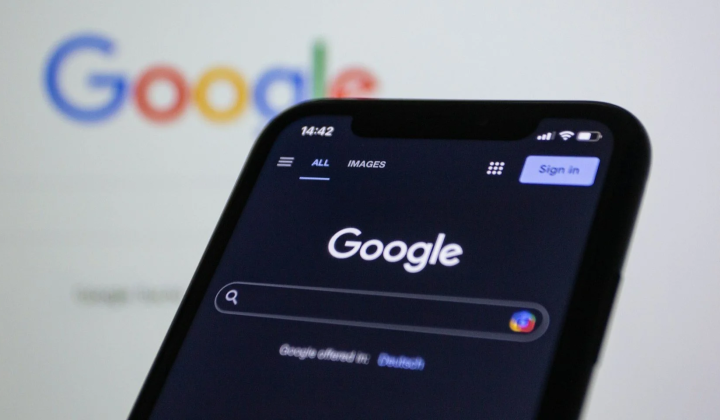
According to НВ — Техно: A Munich regional court has ruled that Google bears legal responsibility for inaccurate statements produced by its AI Overview service. The decision imposes a temporary ban on the dissemination of false claims about two Munich-based publishers, whom the artificial intelligence system erroneously linked to fraudulent activities. In its judgment, the court drew a clear distinction between Google's search engine and AI Overview, noting that the latter generates new substantive assertions by analyzing and merging information from multiple sources.
The case originated from defamatory outputs concerning the two publishers. AI Overview responses accused these individuals of involvement in fraud, subscription traps, and questionable business practices. The court determined that the AI Overview system had conflated data from different companies, leading to the spread of misinformation. The publishers formally demanded that Google cease distributing these false statements.
Google's Accountability
Under the court's ruling, Google is prohibited from circulating false information about these companies. The court further emphasized that Google is accountable for factual inaccuracies. AI Overview, which produces errors in roughly 9% of cases, serves approximately 2 billion users each month. Given this scale, the system generates over 2 billion incorrect answers annually. Moreover, 56% of the correct responses provided by the system cannot be verified through the links it offers.
This incident highlights the challenges faced by companies deploying AI for content generation, as well as the critical importance of ensuring accuracy in information distributed through such services.
The court's decision in the Google and AI Overview case could set a precedent for other companies utilizing artificial intelligence in their products.
It also underscores the growing need for accountability regarding content produced by automated systems, potentially prompting a reassessment of industry policies and practices. As AI technologies gain popularity, the accuracy and reliability of generated content are becoming increasingly pressing societal concerns.
This ruling comes in the wake of ongoing concerns about the reliability of AI systems, as evidenced by a recent incident where Google's AI struggled with basic tasks. For a deeper understanding of the implications of AI inaccuracies and how they can affect public perception, you can read more about Google's AI miscalculating simple tasks.

Read also