Court Blocks Trump’s $1.7 Billion Fund for Loyalists

Donald Trump’s Policy Actions
According to Главком: U.S. President Donald Trump’s policies have sparked widespread accusations of leveraging state resources for personal gain, obstructing aid to Ukraine, and straining relations with NATO allies. Critics point to specific initiatives, financial figures, and events that back these claims. Notably, the White House, in coordination with the Justice Department, attempted to establish a $1.776 billion fund financed by taxpayers, but a federal court halted the effort. Republican leader Mitch McConnell condemned the proposal as morally bankrupt, while acting Attorney General Todd Blanche announced the plan’s withdrawal.
Despite this, a permanent ban remains in place, preventing the government from prosecuting Trump, his family, or his businesses for tax evasion. As a result, Associated Press has dubbed Trump the 'chief trader,' given that in the first quarter of the year, he issued over 3,600 stock trading orders, influencing profits from those trades. Furthermore, Trump has largely blocked aid to Ukraine, compelling the country to grant access to its critical mineral resources in exchange for military support.
International Relations and Threats
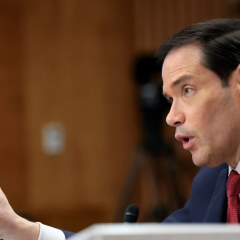
On the international stage, Trump has threatened to annex Greenland and turn Canada into the 51st U.S. state. In response, European NATO members-including Germany, France, the United Kingdom, Sweden, Norway, the Netherlands, and Finland-announced they would deploy military contingents to Greenland to support Denmark. Secretary of State Marco Rubio assured that the U.S. has no plans to leave NATO, though the Trump administration will push for major reforms within the alliance.
Trump also intends to personally attend the annual NATO leaders’ meeting, scheduled for July 7-8 in Ankara, Turkey, as well as the G7 summit in France later this month. He stated he would travel to the G7 gathering after hosting world championship boxing or mixed martial arts (UFC) title fights. Meanwhile, participants in the January 6, 2021, Capitol attack have emerged among Trump’s political allies.
These events show that containing Trump and diversifying risks have become a strategic priority for allies, akin to the Cold War-era containment of the Soviet Union, as noted by Nader Mousavizadeh. In turn, Daniel Fried highlighted that Europeans have, for the first time, openly used the term 'containment' in reference to the United States.
The situation surrounding Trump’s policies underscores growing tensions in international relations and the challenges facing the U.S. and its allies. Amid global threats such as Russian aggression and China’s rising influence, Trump’s stance has raised concerns among European nations seeking to maintain stability in their ties with America. This context emphasizes the importance of the upcoming NATO and G7 meetings, which could shape the direction of international policy in the years ahead.
As tensions rise over Trump's actions, it's essential to explore how his recent visit to Beijing has raised eyebrows among allies. Critics, including Joe Scarborough, have accused the former president of undermining diplomatic relations during this trip, further complicating the already strained ties with NATO partners. To understand the implications of these accusations and their potential impact on international alliances, read more about Scarborough's claims regarding Trump's loyalty to allies.

Read also