Federal Judge Blocks Trump's White House Ballroom Project Over Lack of Congressional Approval

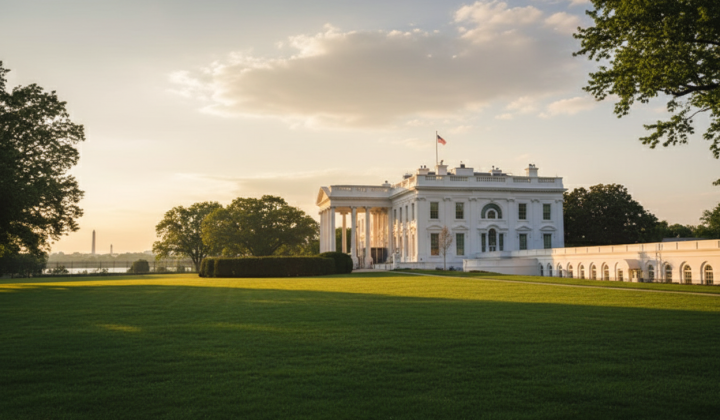
Trump's Ballroom Construction Halted by Court Order
According to Главком: A federal judge in Washington, D.C. has issued an injunction halting the construction of a ballroom for Donald Trump at the White House, citing a lack of required Congressional approval. The lawsuit was brought by representatives of the National Trust for Historic Preservation. The court's decision was announced just two days before a key planning commission was set to finalize the development plan, significantly escalating tensions around the controversial project.
The injunction applies to the construction of a 8,400-square-meter ballroom, intended as part of a new $400 million complex. This project involved the demolition of the historic East Wing of the White House. The judge emphasized that
"the president is merely a steward of the White House for future generations, not its owner, and no law grants him the authority to unilaterally alter the appearance of a historic landmark of this magnitude."
The Trump administration has already filed an appeal against the court's ruling. If successful, the ground construction phase was slated to begin in April. Officially, the project is named The President Donald J. Trump Ballroom. Despite the judicial block, "any work deemed strictly necessary to ensure the safety of the site remains permitted." It is important to note that the project is funded through private donations and, according to Donald Trump, will not cost taxpayers a single cent.
Implications and Public Debate
The situation surrounding this construction continues to spark vigorous debate among the public and historic preservation experts. This case highlights the ongoing tension in the United States between private development ambitions and the legal protections afforded to national landmarks. The court's decision marks a significant development in the contentious affair, underscoring the necessity of adhering to legislative procedures when modifying historic sites.
This legal battle illustrates the complex challenge of balancing private initiatives with the imperative to preserve historical heritage. Amid active national debates about the role of historic monuments in contemporary society, the court's ruling could influence future plans to alter the architectural appearance of not only the White House but other significant properties. The importance of this issue extends beyond a single project, as it touches on fundamental principles of cultural heritage preservation and the legislative oversight required to protect it.
The ongoing developments surrounding Trump's halted ballroom project raise important questions about the intersection of private initiatives and the preservation of historic sites. In a related context, a substantial military facility is currently being constructed beneath the White House, further complicating the narrative of how the iconic building is being utilized and altered. This juxtaposition of projects highlights the broader implications for national heritage and public interest.

Read also