Global Trust in the United States as a Reliable Superpower Is Eroding

Declining Confidence in America’s Role as a Trustworthy Superpower
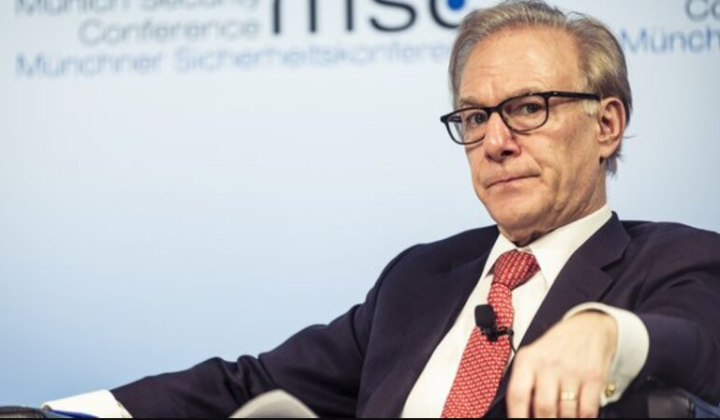
According to ХВИЛЯ: In a conversation between The Atlantic’s host Jeffrey Goldberg and Washington Post columnist David Ignatius, the focus was on the waning trust in the United States as a dependable global leader. The discussion highlighted the repercussions of former President Donald Trump’s policies, especially regarding Iran, growing doubts among allies about NATO commitments, and the emerging threats facing America on the world stage.
In March, Trump claimed the U.S. had ‘destroyed their entire evil empire’ and urged Iranians to rise up. An uprising did occur in January, but Trump’s promise of support came only a month later. According to Ignatius, tens of thousands of protesters who took to the streets were killed as a result. General Mark Milley, Chairman of the Joint Chiefs of Staff, warned the president that the U.S. could not guarantee Iran’s restraint in the Strait of Hormuz, signaling escalating regional tensions.
Ignatius also pointed to a Russian attack on a town in Romania, a NATO member, noting that Washington’s response was ‘almost nothing.’ These developments are fostering uncertainty among U.S. allies, who are beginning to question the reliability of American security guarantees.
As Ignatius remarked: ‘war by choice and peace by necessity.’
He further emphasized that ‘military force can do many things, but it cannot compel political change.’
Debating the Terms of a Deal with Iran
Other topics raised during the discussion included the terms of a potential agreement with Iran, which involved:
- reopening the Strait of Hormuz,
- Iran’s pledge to never develop nuclear weapons,
- and vague language about the removal of enriched uranium.
Ignatius noted that Trump’s next targets could be Cuba and Greenland. The conversation also covered the situation in Saudi Arabia, where the kingdom is looking toward a nuclear-armed Pakistan, while European nations are turning to France.
All these factors point to growing challenges for the United States internationally, casting doubt on its role as a reliable superpower. As Ignatius put it: ‘America has a habit of falling upward,’ which may reflect the complex dynamics in international relations and the level of trust in the United States.
This discussion underscores how domestic politics and international promises can interact to shape a nation’s global reputation. In light of these events, U.S. allies-especially amid rising aggression from Russia and other states-may begin seeking alternative security guarantees. This could lead to new alliances and shifts in the political landscape, requiring the United States to adapt to new realities in international relations.
The ongoing debate surrounding the United States' foreign policy, particularly concerning Iran, raises critical questions about the effectiveness of American military interventions. This situation mirrors the recent assessment that the U.S. conflict with Iran has been deemed unsuccessful, prompting further scrutiny of America's role as a global leader and its ability to uphold security commitments to its allies.

Read also