Russia May Lift Telegram Ban Following Talks Between Durov and Regulator

Telegram's Restrictions in Russia
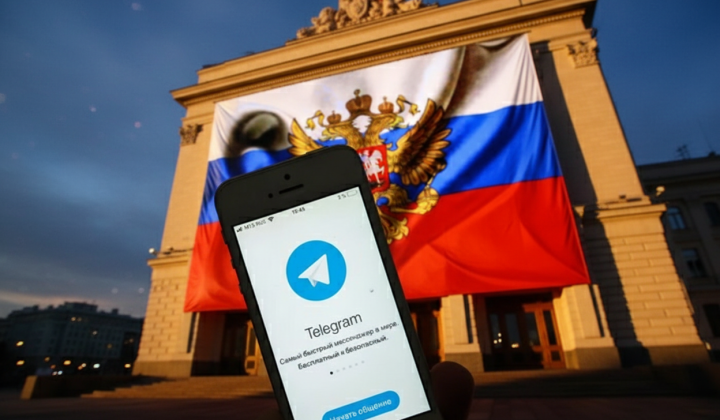
According to Главком: The messaging service Telegram could see its operational restrictions in the Russian Federation lifted. Sergey Boyarsky, head of the State Duma's IT Committee, has stated that the platform is engaged in active dialogue with Roskomnadzor, Russia's media and communications regulator. However, Boyarsky noted that Telegram is only removing a portion of the content that Russian authorities have deemed illegal.
“Out of hundreds of materials demanded for removal, the messenger deletes only a part. I don't understand what is stopping them from taking a few more steps forward to resolve these complaints.”
Sergey Boyarsky
Roskomnadzor began partially restricting Telegram's operations within Russia on February 10. The government's policy aims to limit Russian citizens' access to Telegram while promoting state-produced messaging alternatives. Pavel Durov, Telegram's founder, has compared the situation in Russia to that in Iran, citing similar state-imposed platform restrictions.
Ongoing Negotiations Between Telegram and Roskomnadzor
Discussions between Telegram and Roskomnadzor are currently ongoing, and the potential lifting of the ban is generating significant interest among both users and information technology experts.
The Telegram situation in Russia reflects the broader pattern of state control over information technology and communications. This case is a prominent example of the global tension between tech platforms and national sovereignty. While many nations strive to protect free speech and information access, Russia continues to enforce strict digital platform regulations. A full restoration of Telegram's services could represent a notable step toward relaxing information control in the country, albeit one requiring compromises from the company.
This development also underscores the critical need for dialogue between state authorities and technology firms to navigate the complex challenges of ensuring information freedom in the modern era.

Read also