Skull Power Made Tyrannosaurs’ Tiny Arms Useless, New Study Claims

Fresh Research on Tyrannosaur Evolution
According to НВ — Техно: May 25, 3:00 PM
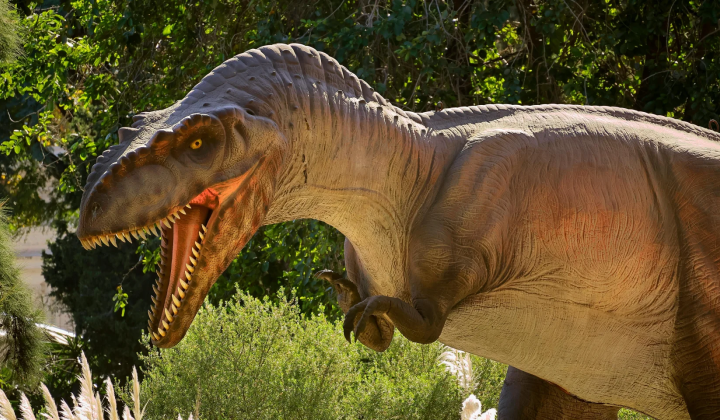
A team from University College London (UCL) and the University of Cambridge has proposed a new explanation for why tyrannosaurs had such short arms. By analyzing 82 species of theropods, the researchers found that limb reduction was linked to skull strength rather than overall body size.
“When your jaw can crush bones with incredible force, your arms just become extra baggage.” - Charlie Roger Scherer
The study determined that the Tyrannosaurus rex possessed the most powerful skull in terms of bite force. A similar level of skull robustness was also observed in Tyrannotitan, a species that lived 30 million years earlier. Notably, the scientists pointed out that skulls became stronger before the arms began to shrink. In abelisaurids like Majungasaurus, the forelimbs and hands reduced first, while in tyrannosaurs, the entire limb shrunk evenly.
- Majungasaurus weighed 1.5 tons-five times less than T. rex.
- Evolutionary changes in limbs may have resulted from adaptation to new environmental conditions.
“Evolution follows a simple rule: use it or lose it.” - Charlie Roger Scherer
This research significantly refines our understanding of how tyrannosaurs evolved and developed their distinctive physical traits. It opens up fresh perspectives on dinosaur evolution, particularly for tyrannosaurs, and could serve as a foundation for further studies in paleontology. By highlighting the connection between physical characteristics and evolutionary adaptations, scientists hope to better understand how these creatures survived and adjusted to diverse environments. The findings may also help create new models for the evolutionary development of other dinosaur species.

Read also