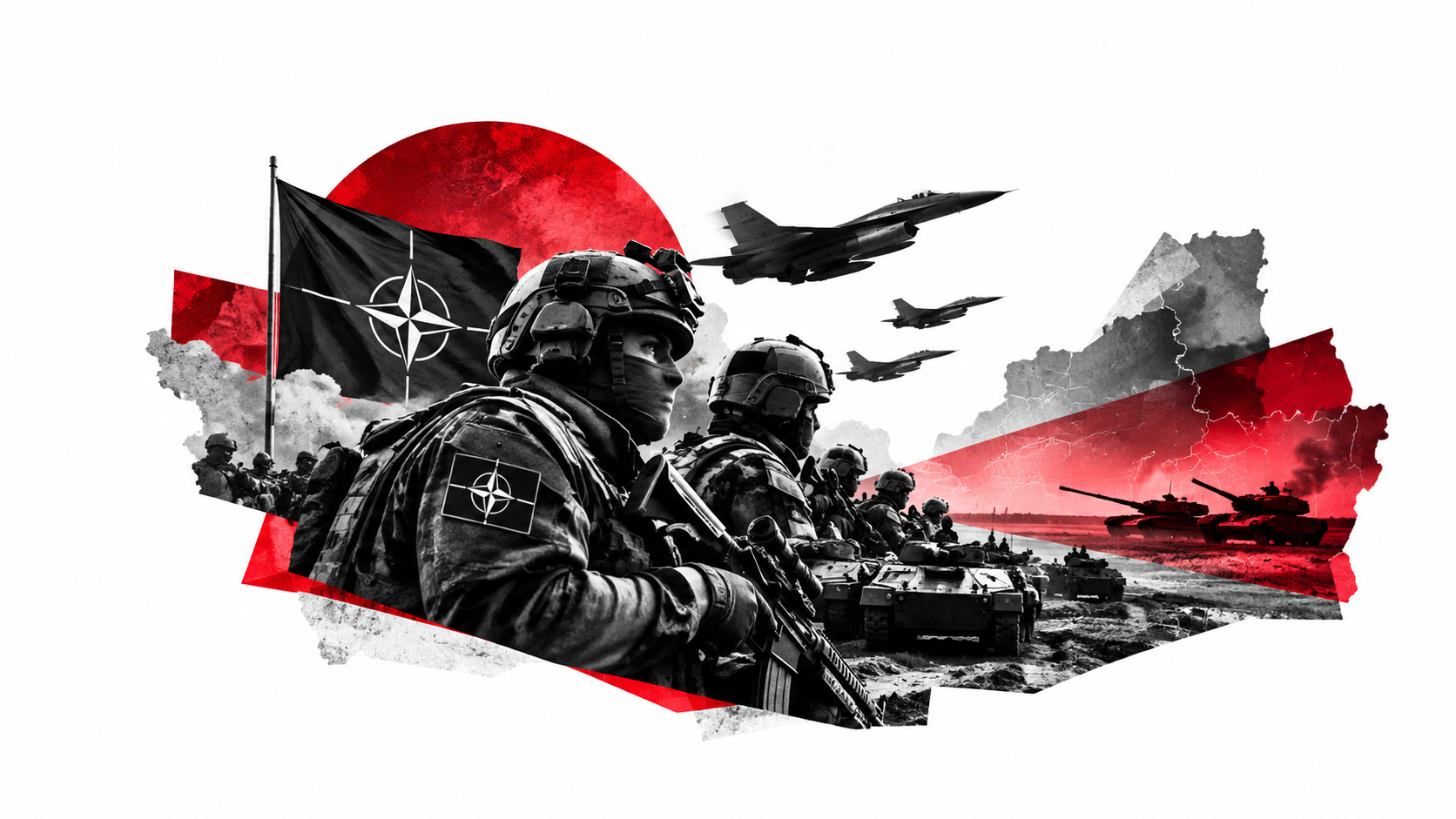
Despite U.S. Military Ammunition Shortages, Trump Ordered Strikes Against Iran

Military Campaign Against Iran Launched
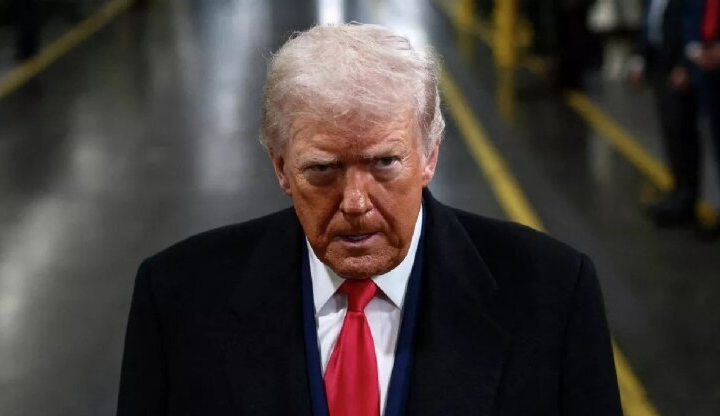
According to ХВИЛЯ: U.S. President Donald Trump authorized a military strike campaign against Iran, despite concerns from military officials about dwindling stockpiles of precision-guided munitions. This decision has sparked debate among defense analysts, including Amos Fox and Franz-Stefan Gady, who highlight a disconnect between political decisions and military realities, a gap confirmed by the results of military war games.
Fox and Gady note that war games simulating high-intensity conflict scenarios against potential adversaries like Russia or China show that precision munition stockpiles could be exhausted in a matter of days or weeks. This underscores the risks of decisions based on 'elegant solutions promising quick, low-cost victory.' The analysts further warn that
“once missiles are flying, losses mount, and the adversary adapts faster than expected”
- Amos Fox and Franz-Stefan Gady. This situation reflects a broader, long-standing tension in U.S. defense planning between strategic ambitions and logistical constraints.
Strategic Dimensions of Military Decisions
Trump's decision underscores the critical need for an effective military strategy, particularly concerning multi-domain convergence, long-range strike architecture, and integrated firepower. These elements are increasingly vital in the face of modern security challenges. Military and political decisions must account for these factors to ensure successful mission execution in conflict situations.
The significance of Trump's move extends beyond its potential military consequences to its impact on international politics and relations with other states. Iran's reaction to the military campaign could escalate regional conflict, which would, in turn, affect global stability. In this context, analysts point to the necessity of a more comprehensive approach to military strategies, one that considers not only military but also political and economic factors to preserve global peace and security.

Read also