Trump’s Heated Exchange with Netanyahu Over Lebanon Signals Strain in US-Israel Alliance

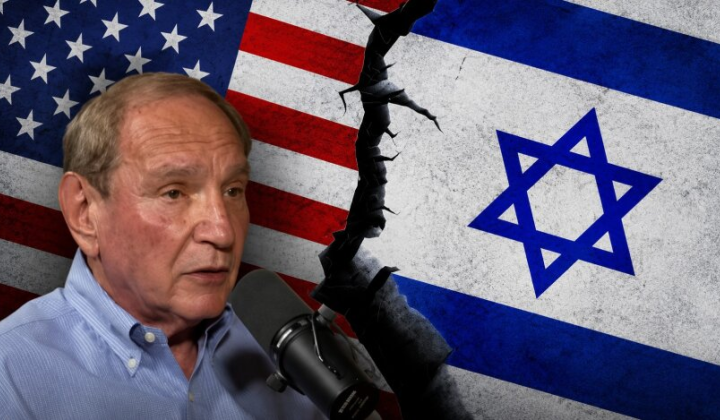
US-Israel Relations Under the Microscope
According to ХВИЛЯ: A recent episode of the Geopolitical Futures podcast sheds light on mounting tensions between the United States and Israel. At the center of the discussion is a reported phone call this week in which Donald Trump angrily confronted Israeli Prime Minister Benjamin Netanyahu over military strikes in Lebanon. According to Axios, Trump expressed frustration that the operations could jeopardize a potential ceasefire with Iran. George Friedman, founder of Geopolitical Futures, argues that the US-Israel alliance-originally forged during the Cold War-has now run its course.
Friedman explains that the United States is seeking to disengage from Middle Eastern conflicts, while Israel, following the Hamas attack on October 7, 2023, believes it must expand its buffer zones. This divergence in strategic priorities is creating a fundamental rift between the two nations. He notes:
“Israel is now compelled to act in ways that do not necessarily align with American interests.” - George Friedman
A central challenge remains non-state actors like Hezbollah and Hamas, which Arab states are either unable or unwilling to control.
Historical Roots of the Alliance
The US-Israel partnership was initially shaped as a counterbalance to Soviet influence in Egypt and Syria. Although the United States voted in favor of Israel’s creation, it provided little aid in the early years, with France being Israel’s primary supporter. The dynamic shifted during the Suez Crisis, when Egypt attempted to seize control of the Suez Canal and President Nasser turned to the Soviet Union for assistance.
In 1973, the Yom Kippur War broke out as Egypt and Syria, armed with Soviet weaponry, attacked Israel. During this conflict, the US airlifted a massive supply of arms to Israel. Following the September 11 attacks, the United States became entangled in the Iraq War and other regional conflicts. Friedman observes:
“Iran is a pivotal state. It provides sanctuary for Hezbollah and al-Qaeda, and it sponsors the Houthis.” - George Friedman
Currently, Israel is advancing an election bill with votes scheduled for September and October. This political maneuver is what keeps Netanyahu in power, as Friedman notes, “it’s the only viable option he has.” He further asserts that “if the US can step back from Europe, from NATO, from fundamental relationships that are 80 years old, it can certainly step back from Israel.”
These developments highlight how each country’s strategic reality has shifted. Israel remains a major power only in the context of weaker Arab states. This raises a critical question from the American perspective: “Is this expansion enough to genuinely enhance security?” As such, the US-Israel relationship continues to evolve, with their interests becoming increasingly misaligned.
This situation illustrates how changes in the geopolitical landscape can reshape long-standing alliances. The growing divergence in strategic objectives between the US and Israel may prompt a reevaluation of their partnership, with potential implications for regional stability. As both nations confront new challenges, the need for dialogue and coordinated strategy becomes ever more pressing.
The ongoing tensions between Trump and Netanyahu highlight deeper issues within the US-Israel relationship. This strain follows Trump's growing disillusionment with Netanyahu, particularly in light of recent conflicts involving Iran. To understand the broader implications of this evolving dynamic, you can read more about Trump's frustrations regarding Netanyahu's handling of the Iran situation.

Read also