Historian Criticizes Trump's 'Weak' Choice of Ceasefire with Iran

Analyzing U.S. Presidential Decisions in the Iran War Context
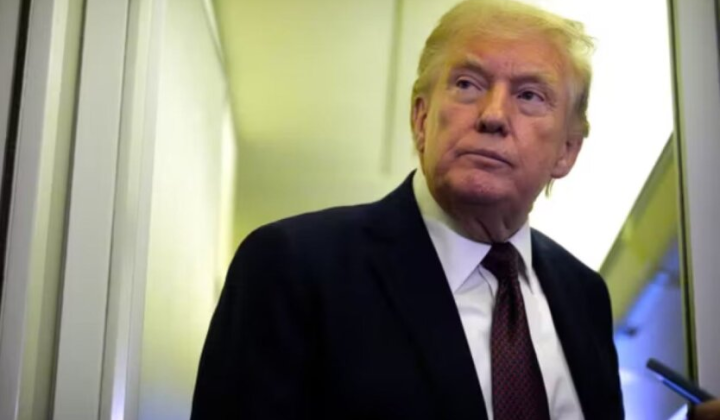
According to ХВИЛЯ: Historian Niall Ferguson has scrutinized former U.S. President Donald Trump's decision-making during the 38-day war with Iran. Opting for a ceasefire, Trump declined to deploy ground forces to secure control of the Strait of Hormuz. Ferguson characterizes this choice as weak, arguing it complicates negotiations and squanders potential advantages that more assertive action could have secured. This analysis comes amid ongoing regional tensions where control of this critical maritime chokepoint remains a strategic priority.
Potential Courses of Action
Ferguson outlined three potential strategies the U.S. could have pursued:
- Launching massive strikes against Iranian infrastructure;
- Accepting a ceasefire through Pakistani diplomatic channels;
- Deploying special forces and Marines to seize control of the Strait of Hormuz.
General Mark Milley, Chairman of the Joint Chiefs of Staff, almost certainly recommended the third, most aggressive option.
Ferguson noted that a ground operation might have extended the conflict into May, exceeding the six-week deadline Trump had publicly mentioned on Truth Social. He emphasized that by forgoing decisive action, the president placed himself in a weaker bargaining position for negotiating a more favorable agreement concerning the strait. 'The longer the president delays such a move, the harder it becomes to execute, because the economic pain intensifies with each passing day,' the historian remarked.
“Once you're on the ground, you're six feet tall, and so is your enemy. And we're not even on the ground yet.” - Stan McChrystal
This case underscores the critical weight of strategic decisions in international politics, particularly during military conflicts. The choice between aggressive action and a ceasefire can profoundly influence subsequent negotiations and the war's ultimate outcome. By rejecting a more forceful approach, Trump may have diminished his chances of securing advantageous terms in future talks and complicated the situation for U.S. allies. This episode demonstrates how pivotal historical decisions can have a lasting impact on international relations and regional security dynamics.
This analysis raises important questions about Trump's broader strategy regarding Iran. For a deeper understanding of how the former president's decisions on social media influenced diplomatic outcomes, explore our article on Trump's approach to brinkmanship and its impact on ceasefires.

Read also