Trump on Ukraine-Russia Peace: A 'Favor to Europe' Amid Deep-Seated Hostility

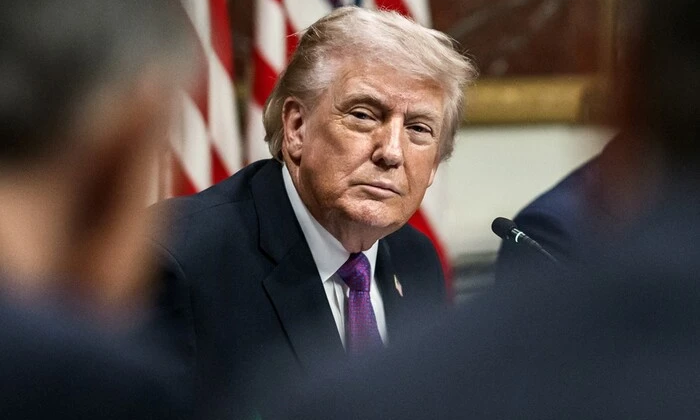
US President's Remarks on Ukraine-Russia Peace Negotiations
According to Главком: Speaking before South American leaders, US President Donald Trump addressed the ongoing conflict between Ukraine and Russia, framing his involvement as a service to Europe. He described the peace process as exceptionally difficult, while downplaying the conflict's direct impact on the United States. These comments come as the war in Ukraine continues to be a major point of tension in transatlantic relations.
'You know, Ukraine and Russia... You might think there's some friendship there, but there's actually tremendous hatred between them. It's very hard for them to come to an agreement. Very, very hard. We'll see what happens.' - Donald Trump
Trump further elaborated on the US role, stating, 'Actually, we're not losing. They're losing. It doesn't affect us that much because we have an ocean in between. I'm doing this as a favor to Europe. For a lifetime.' This perspective suggests the US administration views the Ukrainian situation not merely as a regional crisis but as part of a broader geopolitical strategy where American involvement is discretionary.
The Significance of the International Context
In this complex diplomatic landscape, the role of the US Special Representative for Ukraine and Russia, Stephen Wictorff, could prove pivotal in any future negotiations. Trump's statements underscore the multifaceted challenges of achieving a settlement and clarify the current US position, which emphasizes a degree of detachment from the immediate consequences of the war.
The president's comments highlight how the international context shapes the Ukraine-Russia talks. The situation remains fraught, requiring active engagement from world leaders to find a path to peace. The US stance, as outlined by Trump, indicates the administration perceives the conflict as more than a local issue-it is a factor in the global balance of power, with American participation framed as a strategic choice rather than an imperative.

Read also