Trump Defends Iran Conflict as Nuclear Deterrent and Response to Decades of Aggression

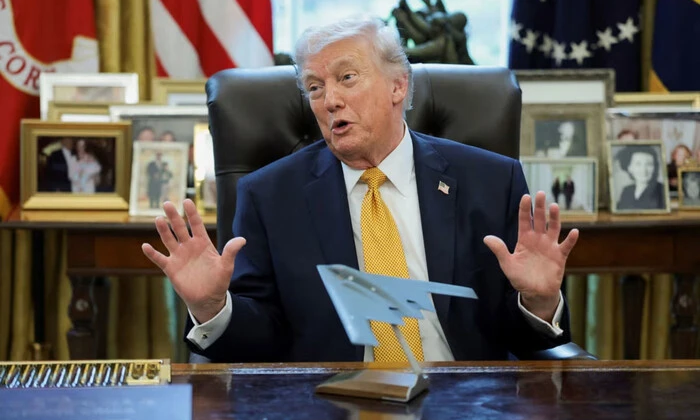
US President's Remarks on Iran Conflict
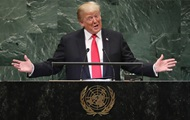
According to Главком: US President Donald Trump has framed the conflict with Iran as a necessary measure to prevent the nation from acquiring nuclear weapons and as a retaliation for decades of attacks. He stated that the war represents the culmination of long-standing efforts to counter the nuclear threat posed by Iran. Trump emphasized that this action responds to 47 years of violence from Iran and its proxies, specifically citing the bombing of Marine barracks nearly 40 years ago and the attack on the USS Cole in 2000.
Trump also indicated that the war in Iran is nearing its conclusion, predicting another two to three weeks of US involvement. He argued that
"if these terrorists had nuclear weapons, it would be an intolerable threat"
- Donald Trump. The US President added that
"the most vicious and thuggish regime on Earth could freely wage its campaigns of terror, coercion, conquest, and mass murder behind a nuclear shield"
- Donald Trump. Trump further noted that the US has no need for Iranian oil or resources but remains in the region to assist its allies. This stance reflects a consistent US policy of countering Iranian influence in the Middle East.
Response from Iran's President
In response, Iranian President Masoud Pezeshkian expressed a willingness to end the conflict but set a condition for clear guarantees that acts of aggression against Iran would not be repeated. He stated that
"Iran has never sought war and possesses sufficient resolve to end it, provided necessary security requirements are met"
- Masoud Pezeshkian. Pezeshkian also held discussions with European Council President António Costa, underscoring Tehran's readiness for a peaceful resolution.
This exchange highlights the persistent tension between the US and Iran, rooted in long-standing disputes over Iran's nuclear program and its support for militant groups. The international community's role will be crucial in mediating these deep-seated differences and fostering regional stability. Iran's proposals for security guarantees could potentially serve as a foundation for renewed diplomatic efforts to de-escalate the conflict.
As tensions escalate, the response from Iran has been significant, particularly in light of the rejection of U.S. ceasefire proposals, which Tehran deemed excessive. This rejection underscores the complexities of reaching a peaceful resolution amidst the ongoing conflict, further complicating the diplomatic landscape in the region.

Read also