Trump Presents Gulf Nations with $5 Trillion Offer, Tied to Their Stance on Iran

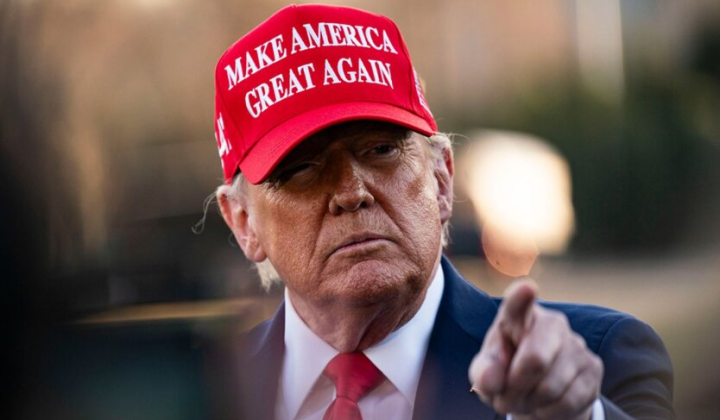
Trump's Financial Proposal to Gulf States
According to ХВИЛЯ: According to a report by Omani journalist Hafez al-Hasni, U.S. President Donald Trump has presented Gulf nations with a set of financial conditions linked to the ongoing tensions with Iran. The proposal outlines significant sums of money that these countries could receive, contingent upon the strategic path they choose regarding Tehran.
The Staggering Sums on the Table
Specifically, Trump has reportedly offered $5 trillion for continuing military action against Iran. Conversely, a sum of $2.5 trillion is on offer for pursuing peace and ending the conflict. This financial ultimatum forces Gulf states into a decision with profound implications for the future trajectory of regional instability.
- $5 trillion for escalating the conflict
- $2.5 trillion for de-escalation and peace
The sheer scale of these figures underscores the seriousness of U.S. intentions in resolving the crisis and could become a pivotal factor in future diplomatic negotiations. This approach reflects the Trump administration's frequent use of economic leverage as a tool of foreign policy, a strategy that has reshaped traditional diplomatic engagements. The offer places immense pressure on Gulf allies, whose economies are heavily reliant on oil exports and foreign investment, to align their Iran policy with Washington's.
Ultimately, this proposition could dramatically alter the dynamics between the U.S. and its Gulf partners, as the choice between conflict and peaceful settlement carries significant consequences for Middle Eastern stability. It also highlights a transactional foreign policy model that may influence how other nations calibrate their strategies toward Iran.
In light of Trump's recent financial proposal, it's essential to consider his broader strategic stance in the region. Notably, he has ruled out ground troops in the Middle East while advising Israeli Prime Minister Netanyahu against military action against Iran. This dual approach emphasizes a focus on economic incentives over direct military engagement, shaping the future of U.S. involvement in Middle Eastern affairs.

Read also