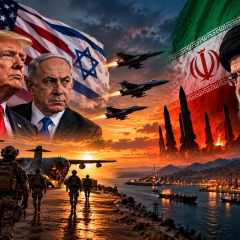
Trump and Iran Strike a Deal: Lifting the Blockade and $300 Billion in Reconstruction Funds

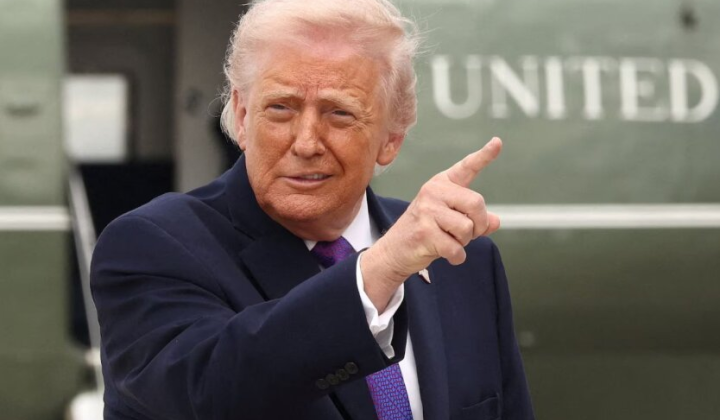
U.S.-Iran Agreement Reached
According to ХВИЛЯ: Under the agreement between U.S. President Donald Trump and Iran, the maritime blockade on Iranian ports will be lifted, oil exports will be permitted, Tehran’s assets will be unfrozen, and sanctions will be phased out. As part of the pact, Washington has also committed to facilitating at least $300 billion for Iran’s reconstruction. In return, Iran reaffirms that it will not develop nuclear weapons and pledges to dilute its existing stockpile of 11 tons of enriched uranium. Commercial shipping through the Strait of Hormuz will resume, and after 60 days, Iran will be allowed to collect transit fees.
Backlash Against the Agreement
Critics of the deal-including former Vice President Mike Pence-have characterized it as a policy of appeasement. Former U.S. Ambassador to the United Nations Nikki Haley called the deal a massive mistake, while Senator Ted Cruz was more blunt, stating:
“Giving billions of dollars to theocratic madmen who want to kill us is a bad idea.” - Ted Cruz
David Horovitz, editor of The Times of Israel, also described the agreement as a catastrophic capitulation.
Commentator Max Boot, a senior fellow at the Council on Foreign Relations, compared this deal to the 2015 nuclear accord, noting that it is less favorable for the United States but acknowledging the absence of a better alternative. He remarked that 'the right lesson is that we should never have started this war in the first place.' Barack Obama’s 2015 nuclear deal required Iran to export 98% of its enriched uranium stockpile and cap enrichment at 3.67% for 15 years.
It is worth noting that under Trump’s presidency, the U.S. bombed Iran for 40 days, from February 28 to April 8. The current agreement stipulates that Iran will receive $24 billion in unfrozen assets, and the lifting of sanctions along with fees for passage through the Strait of Hormuz could generate tens of billions of dollars annually for the regime-funds believed to be potentially used to rebuild its military and support Hezbollah.
If implemented, this deal could significantly reshape the geopolitical landscape of the Middle East by restoring Iran’s economic ties with the international community. At the same time, criticism from U.S. political figures highlights deep divisions in foreign policy approaches toward Iran, which could lead to further tensions. Observers note that the next steps taken by both sides, as well as the international community’s reaction, will likely influence regional stability and U.S. relations with its allies.
In light of this recent agreement, the potential implications for regional stability and international relations are significant. To better understand the context surrounding this deal, including Trump's plan to establish a nuclear agreement with Iran, you can read more about it here.

Read also