In 2026, Ukrainian refugees in Europe are expecting significant changes: reduction of payments and new requirements


Changes in the temporary protection mechanism for Ukrainian refugees in 2026
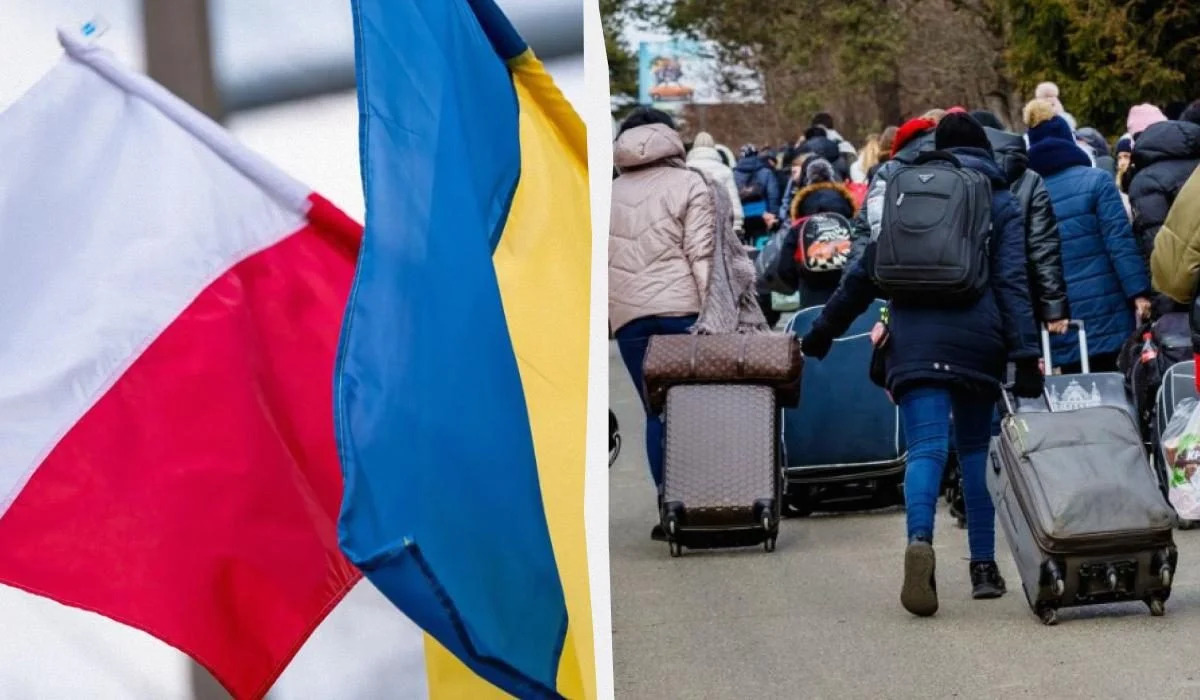
In 2026, significant changes are expected in Europe for Ukrainian refugees regarding the temporary protection mechanism. In particular, there is a reduction in social payments and stricter requirements for self-sufficiency, which will particularly affect pensioners. Despite the fact that the temporary protection mechanism has been extended until March 2027, the new rules may significantly impact the living standards of refugees.
The situation in different countries of Europe
In Germany, in 2026, the payment of Bürgergeld will be canceled for newcomers. This means that new Ukrainian refugees will not be able to count on this financial support.
Irina Polyakova, a refugee expert, noted: 'If you go to Germany in 2026, forget about Bürgergeld.'
In Poland, a CUKR card is being introduced, which will be granted only to economically independent individuals. Additionally, to receive a payment of 800 zlotys per child, it is necessary for the child to physically attend a Polish school, Polyakova noted.
Norway has recognized the Lviv, Volyn, Transcarpathian, Ivano-Frankivsk, Ternopil, and Rivne regions as safe. This means that Ukrainians arriving from these regions may not receive automatic protection.
Irina Polyakova noted: 'If you have recently arrived in Norway from these regions or plan to do so in 2026, you will be denied automatic protection.'
In Romania, the UN Refugee Agency has announced a 68% reduction in payments in 2026. The Czech Republic is also making changes, offering the Lex Ukrajina 7 program, which provides a special residence permit for 5 years only for economically independent individuals. Additionally, reductions in payments are occurring in other countries, including Bulgaria and Romania, while the Baltic states are ending the grace period.
These changes in the temporary protection mechanism may pose a serious challenge for Ukrainian refugees, especially those who depend on social payments. In the context of increased self-sufficiency requirements, many people may find themselves in a difficult situation, requiring urgent action from state and international organizations.
The changes in the temporary protection mechanism in Europe highlight the growing challenges faced by Ukrainian refugees. In particular, the reduction of financial support may lead to increased social tension in the countries that host refugees. These innovations may require European governments to reconsider their approaches to supporting vulnerable populations, such as pensioners and children, to prevent a humanitarian crisis. It is important that international organizations also actively engage in addressing these issues, providing necessary assistance and resources for those who most need support.

Read also