Unique 13th–14th Century Medieval Heating System Unearthed Beneath Basel Monastery

Discovery of a Medieval Heating Innovation
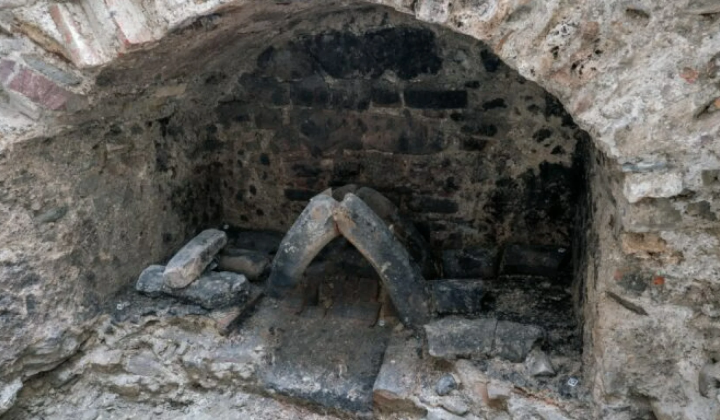
According to НВ — Техно: Archaeologists have uncovered a remarkably well-preserved medieval heating system beneath the former Gnadenthal Monastery in Basel, Switzerland. Dating back to the 13th and 14th centuries, this system features:
- a heating chamber,
- two Gothic arches,
- and eight ventilation openings that served the nuns' dining hall.
This find represents a rare example of medieval heating technology in Europe, shedding light on the architectural and engineering expertise of the period.
Located in the monastery's eastern wing, directly under the refectory, the heating chamber was filled with fieldstones acting as a thermal reservoir. The furnace channel is constructed from carefully shaped stone blocks and bricks. Heat was distributed through the vaulted ceiling by eight ventilation shafts, demonstrating sophisticated design and understanding of airflow and warmth management during the Middle Ages.
Additional Archaeological Highlights
Alongside the heating system, researchers discovered decorative green-glazed tiles from the 14th to 15th centuries, likely adorning the stove’s upper section. While the exact construction date of the heating installation remains undetermined, specialists attribute it to the 13th or 14th century. The Basel-Stadt Archaeological Service is actively collaborating with property managers and restoration teams to ensure the preservation of this significant site.
Excavations in Basel also revealed the skeleton of a tailless macaque embedded within the foundation of a former fortress tower. This unexpected discovery occurred during the construction of a new parking facility, highlighting the vital role of urban archaeology in uncovering layers of the city's past. The significance of these findings continues to prompt further investigation into Basel’s historical and cultural development.
Beyond illustrating medieval Europe’s technological advancements, this heating system offers valuable insights into the daily lives of nuns during that era. It provides clues about social organization, living conditions, and the economic environment that shaped monastic communities in the Middle Ages.
“The discovery of the tailless macaque skeleton underscores Basel’s complex historical layers and the essential contribution of archaeological research to understanding urban evolution.”
In addition to the heating system, recent excavations in Basel have uncovered intriguing findings that highlight the city's rich historical narrative. For instance, the discovery of ancient remains in a mausoleum related to the former owners of Ksiaz Castle in Poland offers a fascinating parallel to the ongoing archaeological efforts in Basel. This connection between different historical sites emphasizes the importance of urban archaeology in revealing the complexities of our past. To explore more about these significant discoveries, visit recent archaeological finds in Poland.

Read also