Unique Predynastic Tomb Discovered in Egypt’s Gebel el-Tair Region

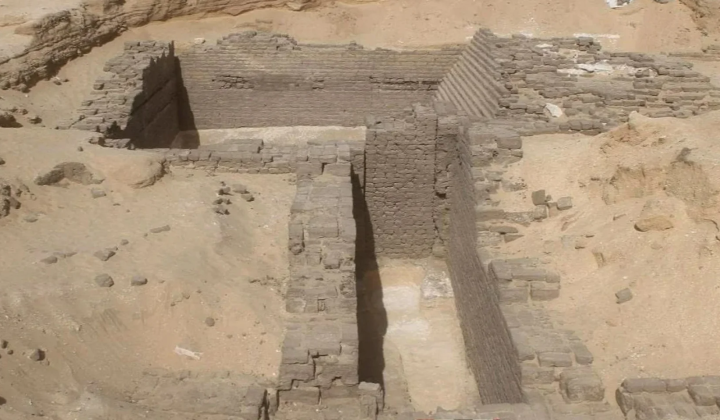
Tomb Findings at Gebel el-Tair
According to НВ — Техно: An Egyptian archaeological team from the Supreme Council of Antiquities has uncovered two tombs and a section of a predynastic cemetery in the Gebel el-Tair area. The first tomb, dating back to the predynastic period, features an architectural design reminiscent of King Den’s tomb at Abydos. Its walls gradually thin from base to top, and the structure includes large wooden supports along with traces of oxidized markings that likely guided stone cutting.
The second tomb, located south of the first, is better preserved and remained untouched by earlier excavations. Additionally, archaeologists found part of a predynastic cemetery containing burials in a contracted position. Several individuals were wrapped in remnants of woven plant mats. Pottery vessels with black decoration, dated to the Naqada II and Naqada III periods, were also recovered.
Significance of the Discoveries
Excavations revealed both individual and collective burials from the Late Period, with some deceased interred in wooden coffins. Researchers emphasize that this discovery significantly enriches Egypt’s archaeological record and provides valuable insights into the evolution of tomb architecture across different eras of ancient Egyptian history.
“The resemblance underscores Gebel el-Tair’s archaeological importance and confirms that this area served as a burial site for an extended period, from the predynastic era through later phases of Egyptian history,” said Hisham El-Leithy.
Ongoing archaeological work at the site is expected to yield further details about the region’s long and intricate burial history, including periods predating the pyramid age.
“Excavations at this site are continuing and are expected to reveal additional information about the long and complex burial history of the region,” emphasized Sami Derderi.
The latest finds at Gebel el-Tair open new avenues for studying ancient Egyptian civilization.
The discovery of tombs and a predynastic cemetery at Gebel el-Tair not only highlights the archaeological significance of this region but also provides fresh data for exploring the development of ancient Egyptian architecture and burial practices. This could help scholars better understand the social structure and cultural customs of the time. Further research promises to expand our knowledge of the evolution of burial rituals in Egypt, including their transformation from the predynastic period through the pyramid age.
This remarkable discovery at Gebel el-Tair adds to the growing body of evidence regarding ancient burial practices in Egypt. For instance, recent findings highlighted by satellite imagery revealing numerous ancient burial sites across the desert further emphasize the significance of these archaeological endeavors in understanding Egypt's rich history.

Read also