Over 1,100 Kyiv Apartment Buildings Remain Without Heating as Repairs Continue

Kyiv Heating Crisis: Current Status
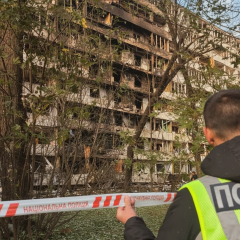
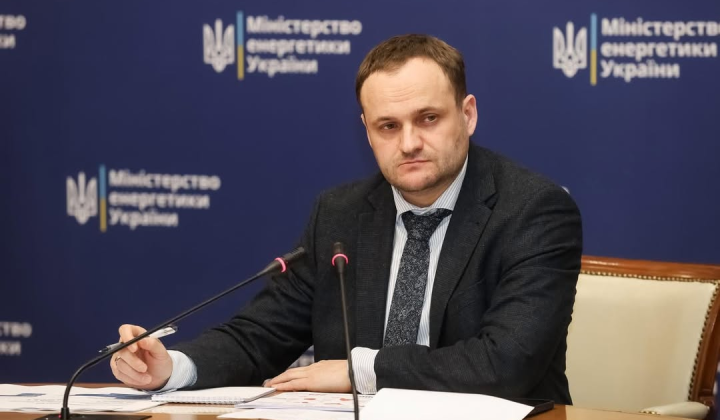
According to Міністерство інфраструктури: Damage to heating generation facilities and distribution networks has left 1,126 multi-story apartment buildings in Kyiv without central heating. Emergency repair efforts are underway and are being overseen by the Emergency Headquarters for the Kyiv and Kyiv Region Energy System. A meeting of this headquarters was chaired by Oleksiy Kuleba, Ukraine's Deputy Prime Minister for Restoration.
More than 200 emergency repair crews are involved in the response. Specialists have completed a technical inspection of the combined heat and power plant that supplied heat to parts of the Darnytskyi and Dniprovskyi districts. Based on this assessment, a list of priority actions to restore the facility's operation has been established. Meanwhile, over 1,500 'Invincibility Points' are operational across Kyiv, providing support and shelter to residents. These centers have become a vital part of Ukraine's civil defense infrastructure since the onset of the full-scale invasion.
Additional Support Measures for Residents
Oleksiy Kuleba noted that additional heating points have been set up for residents, including in educational institutions. Some of these are connected to mobile boiler units and operate around the clock. Work has also been coordinated with energy companies to ensure the most stable possible electricity supply for the buildings without heat in the Darnytskyi and Dniprovskyi districts. Repair work to restore heating for consumers in Kharkiv is proceeding in parallel. Water supply and sewage systems in most communities are functioning normally.
The heating situation in Kyiv highlights the severe strain on the city's energy infrastructure. The deployment of a large number of repair crews and the network of Invincibility Points demonstrate the authorities' efforts to provide necessary support to residents during this emergency. Continued coordination with energy companies to stabilize the power grid remains critically important, especially given the ongoing cold weather.

Read also