In Kyiv, they want to limit taxi fares during alerts: Uklon warned about the consequences

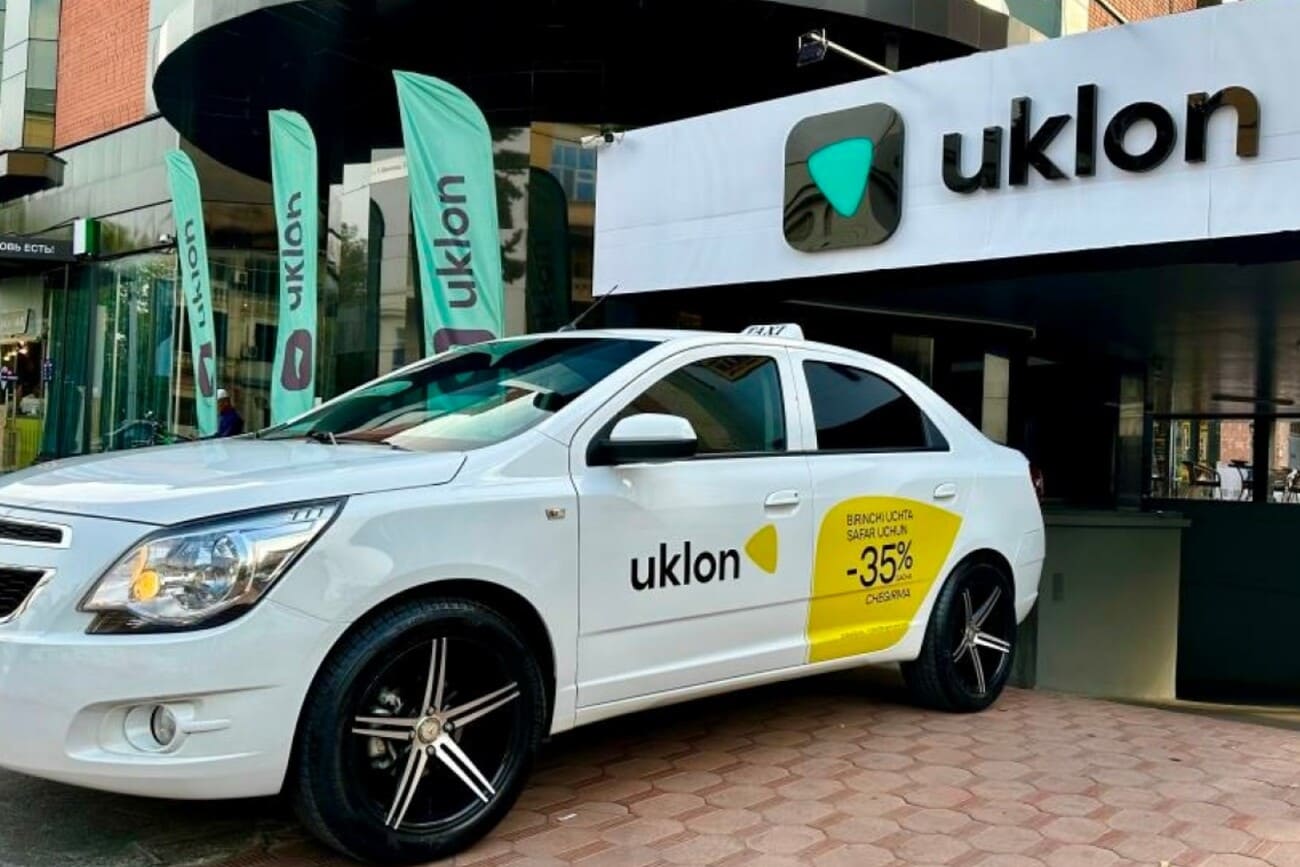
In Kyiv, against the backdrop of prolonged air alerts, the possibility of limiting taxi fares is being discussed. The idea arose due to the sharp rise in trip costs during periods when public transport operates with restrictions. Uklon stated that artificial price suppression could lead to a shortage of drivers and an actual halt in ridesharing services. This is reported by RBC-Ukraine.
The capital has been under constant air alerts for seven days due to drone attacks. During threats, the metro operates with restrictions, making it harder for passengers to move between the right and left banks.
Why taxi fares in Kyiv increase during alerts in September 2026
According to Uklon, the trip cost is determined by the principle of dynamic pricing. If the number of orders in a certain area significantly exceeds the number of available cars, the system raises the price to attract more drivers.
The fare is influenced by the time of day, weather, traffic jams, roadworks, the situation with public transport, communication issues, and GPS, curfews, and shelling.
Demand can particularly spike sharply after the metro's operation is limited or bridges are closed. At the same time, some drivers stop working due to safety risks, increasing the shortage of available cars.
The authorities are currently only discussing possible changes. Among the proposals are the division of air alerts into different levels, changes in the rules of business and public transport operation, and restrictions on taxi fares during alerts. No final decisions on these initiatives have been made yet.
What Uklon says about taxi price restrictions in 2026
Uklon opposes the artificial limitation of dynamic pricing. The company explains that the increased fare should balance the interests of passengers and drivers in a situation where demand sharply exceeds supply.
«The task of the service is to offer a trip cost that the user is willing to pay and that the driver-partner will agree to», — explained the company.
According to the service representatives, setting a maximum fare during alerts could yield the opposite result: some drivers may refuse to accept orders in conditions of heightened danger.
«If you artificially limit pricing, there is a high risk that drivers will simply decline orders. As a result, the ridesharing market during alerts will effectively come to a halt, and calling a car will be very difficult or practically impossible», — stated Uklon.
The company believes that dynamic pricing allows maintaining a sufficient number of cars on the line during transport collapses, when other means of transportation in the city are restricted.

Read also