Kyiv’s Water Supply Hinges on Electricity Amid Aging Infrastructure Challenges

Overview of Kyiv’s Water Supply Challenges
According to ХВИЛЯ: During winter months, Kyiv’s water distribution system is heavily reliant on electricity. According to Serhiy Horkutsenko, without power, there will be no water supply. The electrical infrastructure supporting the water utility dates back to the 1970s, and the company has lost 40% of its workforce over the past four years. Despite a personnel quota increase to 75% two years ago, many issues remain unresolved.
The residential water tariff has remained unchanged for four years, while the utility lacks a functional investment plan. Major repairs are not being carried out; instead, temporary fixes like sealing pipe breaks and adding clamps are common. Water delivery depends entirely on electricity availability-when power outages occur, water flow stops, though water remains in the pipelines. In multi-story buildings, internal pipes face a high risk of freezing at temperatures around minus 10°C during prolonged blackouts. Horkutsenko warns that heating systems freeze faster than water pipes, potentially causing severe consequences.
Critical Concerns and Potential Outcomes
The situation is worsened by the fact that some buildings in Kyiv still have incomplete heating restoration after last winter. With limited electricity, water will only be supplied when power is available. Horkutsenko explains that when power cuts occur, water service halts but water remains stored in the network; once electricity returns, pumps restart and water begins flowing again.
“There’s no doubt this is a collapse,” said Serhiy Horkutsenko.
If water supply is restricted, residents may have to rely on water deliveries by trucks. “It’s possible that tap water won’t be available for some time, but I guarantee drinking water will be delivered,” he assures. However, without proper sewage services, there is a risk of an epidemiological crisis, since people will continue to use sanitation facilities.
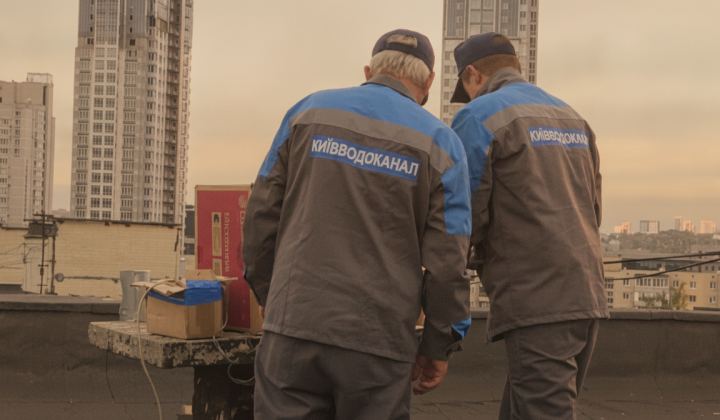
Plumbers in Kyiv earn around 15,000 hryvnias monthly, but 10,000 of that is spent commuting from Chernihiv to Kyiv, creating difficult working conditions. Horkutsenko notes, “One person is doing the work of four.” With water tariffs frozen at February 24, 2022 levels, this situation reflects political decisions rather than economic realities.
The water supply and sewage systems in Kyiv face urgent challenges that must be addressed immediately. Without water, there can be no heating, and without both water supply and sewage, the city’s population and public health are at risk.
Given these critical issues, it is essential for authorities to take swift action to upgrade the water infrastructure and ensure stable electricity provision. Continued neglect and lack of investment threaten more severe consequences, including public health emergencies and social unrest. As municipal services grow increasingly fragile, supporting both residents and utility workers is more important than ever.

Read also