Newly Discovered Dinosaur Infernogallus Fed on Fleshy Fruits During the Cretaceous Period

Introducing Infernogallus: A Unique Dinosaur Species Unearthed
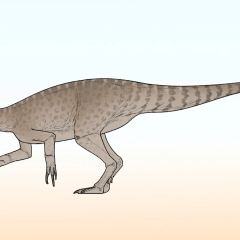
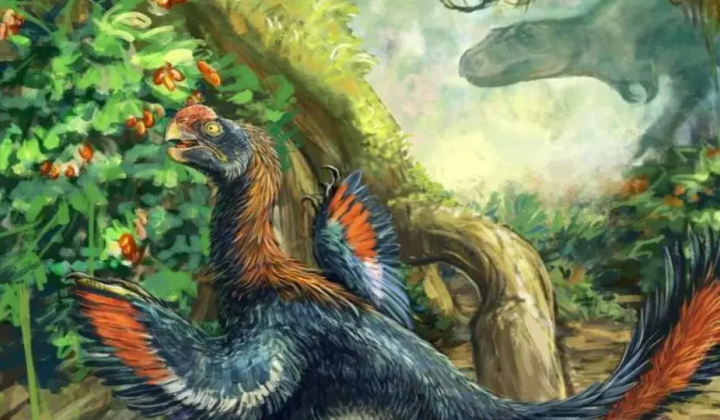
According to НВ — Техно: American paleontologists have identified a previously unknown dinosaur species named Infernogallus, belonging to the caenagnathid family. This species, which consumed fleshy fruits, was uncovered in the Hell Creek Formation. The fossil remains include an almost complete articulated skull and a partial skeleton, revealing distinctive jaw adaptations suited for processing soft food. The skull alone weighs over 11 kilograms, and the overall size of the animal is comparable to that of a modern turkey.
Infernogallus was a toothless, feathered dinosaur whose jaws could move in a forward and backward motion rather than the typical vertical movement. This discovery sheds light on the evolutionary link between dinosaurs and the rise of flowering plants during the Cretaceous. Researchers suggest that fruit-eating dinosaurs like Infernogallus may have played a key role in seed dispersal.
The Importance of This Discovery
Fossils of Infernogallus are currently preserved at the Royal Ontario Museum in Toronto. The research was conducted by experts from Stony Brook University, the Royal Ontario Museum, and the North Dakota Geological Survey. Paleontologist Thomas Dudgeon commented:
“It’s uncommon for animals to specialize in a fruit-based diet, and when they do, it often involves remarkable adaptations. We quickly realized we were dealing with something extraordinary.”
This nearly complete skull is especially valuable because well-preserved remains of small dinosaurs are rare in the fossil record. David Evans, another scientist involved in the study, emphasized:
“The unusual skull of Infernogallus offers fascinating insights into dinosaur evolution and dietary specialization. It highlights how much more there is to learn about the world of tyrannosaurs and dinosaurs overall.”
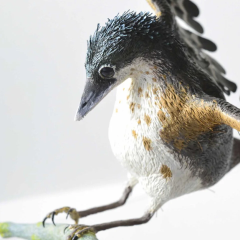
For context, Concornis lacustris, another dinosaur species, lived in the early Cretaceous about 125 million years ago in what is now Europe. This species belonged to the enantiornithines, a group that went extinct 66 million years ago. These findings underscore the significance of new discoveries for understanding evolutionary changes in dinosaurs and their interaction with the environment.
The discovery of Infernogallus not only broadens our understanding of dinosaur diversity but also emphasizes paleontology’s role in unraveling evolutionary processes. The fruit-specialized diet of Infernogallus suggests ecological adaptations that may have influenced Cretaceous ecosystems, particularly in the spread of flowering plants. This breakthrough lays the groundwork for future research into the intricate relationships between dinosaurs and their habitats.
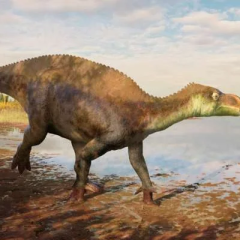
In addition to the intriguing findings about newly identified dinosaur species in Britain, the discovery of Infernogallus opens up further discussions on the diverse dietary habits of dinosaurs. These revelations underscore the evolutionary adaptations that allowed different species to thrive during the Cretaceous period, highlighting the complex interplay between dinosaurs and their environments.

Read also