An Intact Roman Child’s Sarcophagus Dating Back Nearly 1800 Years Discovered in Constanța

Discovery of a Roman Child’s Sarcophagus in Constanța
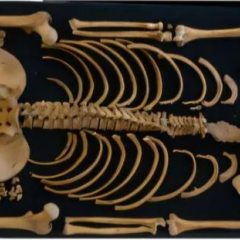
According to НВ — Техно: Archaeologists in Constanța, Romania, have uncovered a remarkably well-preserved Roman sarcophagus believed to be around 1800 years old. This burial contains the remains of a child along with a collection of funerary items. The find was made on October 22, 2026, by archaeologists Constantin Băjenaru and Cătălin Nopcea during excavations at the ancient necropolis of Tomis. Sealed with lead clamps and mortar, the sarcophagus protected the tomb for nearly two millennia.
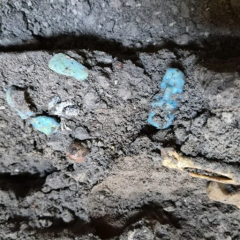
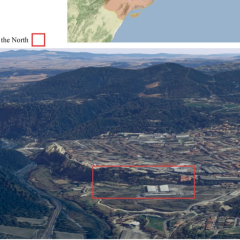
The grave lies on the northern edge of the Roman necropolis of Tomis, approximately 1.5 kilometers from the city’s defensive walls. Among the burial goods uncovered were:
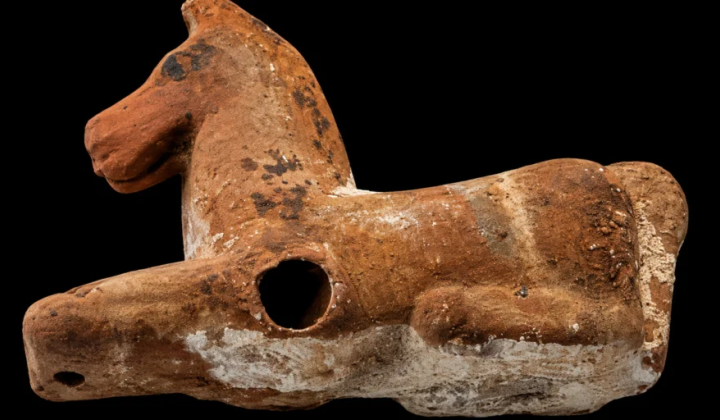
- two clay toys: a small wheeled horse and a rooster-shaped rattle;
- bronze bracelets;
- two bulla pendants, which served as protective amulets traditionally worn by freeborn Roman boys.
Although the child’s sex has not been conclusively determined, the burial may have been that of a boy.
The Archaeological Importance of the Find
The sarcophagus features wooden coffin components connected by dovetail joints, and the child was wrapped in a burial shroud, fragments of which have survived. Botanical remains found within the grave suggest floral offerings were part of the funeral rites. The craftsmanship of the sarcophagus and the quality of the grave goods imply the child came from a wealthy family. This discovery is unique for Tomis, as it marks the first fully preserved child’s tomb of this kind unearthed in the area, where previously only adult sarcophagi had been documented.
This burial offers rare insights into funerary customs and childhood during the Roman period along the Black Sea coast. Constantin Băjenaru emphasized that the
“exceptional preservation of the remains, especially the wooden elements,”
provides valuable information on the cultural traditions of the era. Earlier excavations in Pompeii revealed 24 miniature child amulets, personal hygiene items, and 38 bronze coins, but the Constanța find adds significant new details to our understanding of Roman history.
The Tomis necropolis, located outside the ancient city near the road heading north toward Histria, was once a Greek settlement that evolved into an important Roman center in the province of Lower Moesia. The burial dates back to the period of Roman rule in the city, highlighting its historical significance.
This discovery underscores the critical role of archaeological research in illuminating the history and culture of ancient civilizations. Beyond shedding light on burial traditions, it also provides clues about the social fabric of Roman society, including the status and role of children. Findings like this can enhance public interest in regional history and promote tourism focused on the area’s rich classical heritage.
In addition to this remarkable find, recent archaeological discoveries across Europe have shed light on ancient burial practices. For instance, a unique terracotta sarcophagus featuring Silenus was unearthed in Turkey, highlighting the diversity of funerary art and customs in the region. Such discoveries not only enhance our understanding of ancient societies but also illustrate the cultural significance of burial artifacts across different locations.

Read also