Purchase Limits on Cooking Oil and Pasta Imposed in Crimea

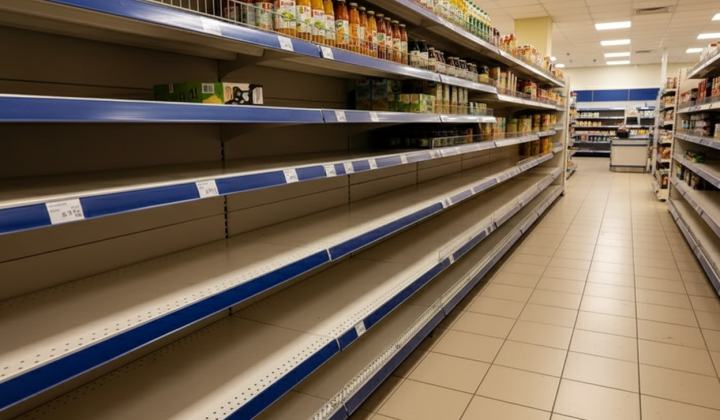
Restrictions on Oil and Pasta Sales in Crimea
According to Главком: A supermarket in Sevastopol, located in the Russia-annexed Crimea, has introduced purchase caps on cooking oil and pasta due to a fuel crisis. These measures stem from disruptions in fuel and food supply caused by Ukrainian drone strikes on the R-280 Novorossiya highway and ongoing issues with the ferry crossing. At the 'Dobrostroy' store, customers are limited to no more than three bottles of oil and three packs of pasta each. These restrictions became visible to shoppers after being captured on video inside the store.
Fuel and Food Delivery Challenges
Goods and fuel reach Crimea primarily via road transport along the R-280 Novorossiya route, which runs from the Rostov region through Mariupol and Melitopol to Dzhankoy. However, Ukrainian drones systematically target fuel tankers and trucks on this highway, complicating deliveries. Truck drivers are refusing to travel to Crimea, demanding at least a month's salary for a single trip.
On May 22, the occupation authorities in Sevastopol capped gasoline at 20 liters per vehicle and switched to a ration system for diesel fuel. Moscow-appointed Governor Mikhail Razvozhayev assured the public that fuel was available, but by early June, the TES and ATAN gas station networks stopped selling fuel coupons to individuals. On the night of June 2-3, Razvozhayev announced that all grades of gasoline would be reserved exclusively for emergency services. As a result, lines at the few operating gas stations stretched 2-3 kilometers.
Approximately 70% of tourists arrive in Crimea by car, significantly impacting demand for accommodation services. In Feodosia, demand dropped by about 10%, while on the Southern Coast, small hotels saw up to 10% of bookings canceled. After the destruction of three railway ferries and strikes on oil refineries, only one supply channel remains: car ferries across the Kerch Strait. Hundreds of fuel tankers now wait in staging areas for 4-5 days.
Mikhail Razvozhayev stated that the fuel situation is not critical, though consumers may experience inconvenience.
The restrictions on oil and pasta sales in Crimea reflect not only the fuel crisis but also broader food instability in the region. Supply chains for both food and fuel are becoming increasingly strained due to military actions disrupting logistics routes. According to recent data, tourists-who form a key part of Crimea's economy-may face additional hardships, affecting the tourism sector and the region's overall well-being.
The ongoing fuel crisis in Crimea, which has led to restrictions on essential goods like cooking oil and pasta, mirrors similar challenges faced in Southern Ukraine. As noted in a recent report, gasoline rationing has been implemented in response to fuel shortages, highlighting the broader implications of supply chain disruptions in the region. Understanding these interconnected issues is crucial for grasping the full impact of the current situation in Crimea.

Read also