Massive Roman Bath Complex Unearthed in the Netherlands

Roman Bath Complex Discovery in the Netherlands
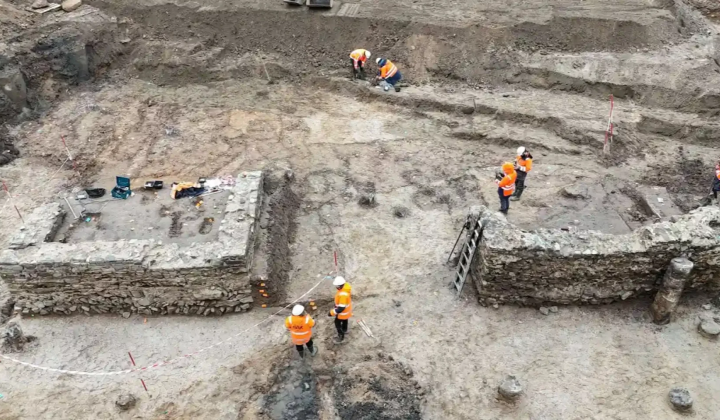
According to НВ — Техно: A massive Roman bath complex has been uncovered in the Netherlands, once part of the ancient city of Ulpia Noviomagus. Spanning at least 4,900 square meters, this facility is twice the size of the baths found at Forum Hadriani and Coriovallum. The excavations confirming this archaeological site took place in 2026, though parts of the structure were first identified back in 1992 during an expansion of the Honig factory.
The city of Ulpia Noviomagus flourished along the Waal River roughly 1,800 to 1,900 years ago. Notable architectural features of the complex include a hypocaust-an underfloor heating system-along with stone foundations that in some areas reach up to two meters in height. The bath pools were lined with marble, while the floors were finished with black-and-white limestone tiles, and the walls adorned with painted plaster.
Artifacts and Their Significance
Excavations have yielded tens of thousands of items, including:
- coins
- signet rings
- fragments of bronze statues
- a necklace with a gold clasp
Among the standout finds is a bronze bust of Bacchus, the god of wine, along with hundreds of bone hairpins, two of which are decorated with cat figurines-one sitting and one standing. Notably, coins of Emperor Postumus, who reigned from 260 to 269 CE within the Gallic Empire, were also discovered.
Part of the collection is slated to go on display at the Nijmegen city hall starting June 29. Additionally, the central square of the future neighborhood will be named Thermenplein-Bath Square. This archaeological project not only uncovers new chapters in Dutch history but also promotes ancient heritage among locals and tourists alike.
The discovery of such a significant Roman bath complex underscores the Netherlands' importance in the context of Roman European history. These artifacts from antiquity can provide researchers with fresh insights into the culture, daily life, and economy of Romans who inhabited these regions. The exhibition at Nijmegen city hall could also serve as a key step in boosting tourism and sparking historical interest among younger generations.

Read also