Russia Faces Gasoline Shortage After Ukrainian Strikes on Refineries

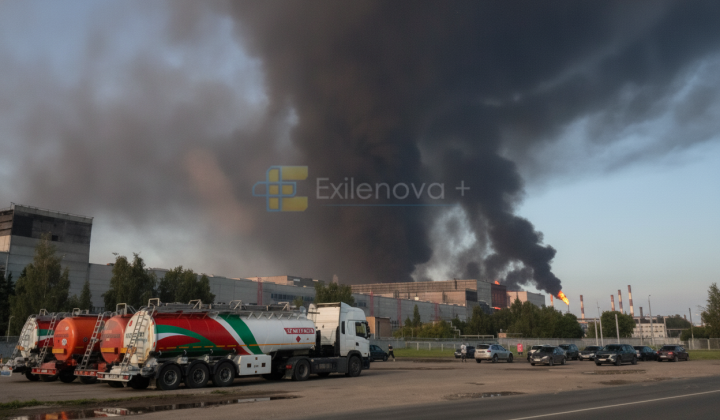
Ukraine's Defense Forces and Their Attacks on Russian Oil Refineries
According to Главком: Ukraine's defense forces have been conducting large-scale strikes on Russian oil refineries, causing severe disruptions to the country's fuel supply. These attacks have halted or crippled operations at several key facilities, including:
- Omsk
- Moscow
- Kstovo
- Yaroslavl
- Kirishinefteorgsintez
- Ryazan
- Kuybyshev
- Volgograd
- Novoshakhtinsk
The Omsk refinery, Russia's largest, sustained major damage, leading to a significant gasoline shortfall.
Gasoline Deficit in Russia
According to Andriy Kovalenko, head of the Center for Countering Disinformation, the daily gasoline deficit in Russia could reach 30,600 metric tons following the attack on the Omsk refinery. The monthly shortfall from the damage to this plant alone is estimated at roughly 918,000 metric tons. With Russia's daily gasoline demand at 110,000 metric tons and expected to rise in August and September, the situation is becoming increasingly dire.
Imported gasoline supplies, totaling just 50,000–60,000 metric tons, are one-off shipments and cannot make up for the losses. Kovalenko noted:
'Imports are not saving Russia at all. Even combined, all known import shipments are one-time deliveries in the range of 50,000–60,000 metric tons, not a regular monthly flow.' - Andriy Kovalenko
He further emphasized that 'even 50,000 metric tons is less than half of one day's national demand,' which only worsens the fuel crisis.
On the night of July 8, drones struck the Taneko refinery in Nizhnekamsk, sparking a fire. This attack is part of a broader campaign aimed at dismantling key Russian refining capacity, deepening the country's fuel crisis. OSINT monitoring groups reported the incident, confirming the pattern of strikes on critical refineries.
The fuel situation in Russia is growing increasingly critical, as the mounting gasoline deficit could have substantial impacts on the economy and daily life. Targeting refineries vital to fuel supply reflects a strategic approach by Ukrainian forces, potentially leading to long-term consequences for Russia's fuel market. How Russia responds to these strikes may shape the conflict's trajectory in the months ahead.
The ongoing attacks on Russian oil refineries not only exacerbate the fuel crisis but have also led to soaring fuel prices across the country. As the situation continues to develop, it's crucial to understand how these refinery disruptions are impacting consumer costs. For a deeper analysis of the rising gasoline prices in Russia due to these supply chain issues, see our detailed report on the record high gasoline prices.

Read also