Hungary Declines to Extend Ban on Ukrainian Agricultural Imports

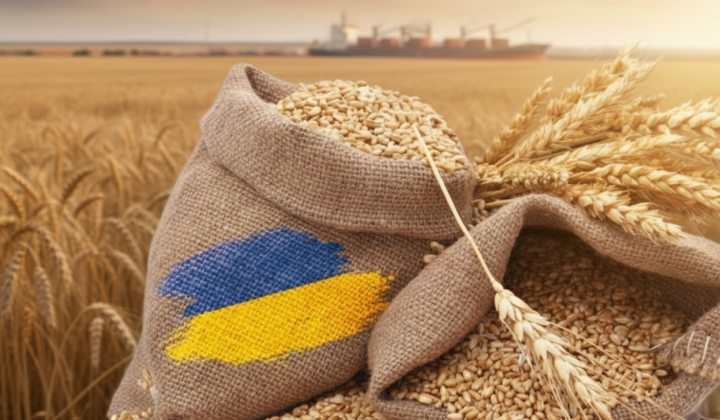
Hungary’s Stance on Ukrainian Farm Imports: A Shifting Landscape
According to Главком: Restrictions on certain Ukrainian agricultural goods have expired in Hungary, but local farmers are pushing for the ban to be reinstated. The previous ban covered more than 20 product categories, including:
- wheat
- corn
- sunflower seeds
- rapeseed
- flour
- poultry meat
- eggs
While some temporary measures have been turned into permanent laws by Hungarian authorities, a ban on Ukrainian goods was not included in the latest package. This decision comes amid ongoing tensions over market competition between Ukrainian exports and local producers.
MAGOSZ, the country’s largest agricultural organization, has voiced concerns that existing control mechanisms are insufficient to protect Hungarian growers. Farmers are now demanding that a separate law be enacted to formally prohibit imports of Ukrainian products. Currently, importers are required to notify the National Food Chain Safety Office whenever they bring in such goods.
Outlook for a Potential Ban Revival
The Hungarian government has not yet made a final decision on whether to restore a full ban. In 2025, Ukraine harvested approximately 56 million tons of grain crops, including 21.5 million tons of wheat, 5 million tons of barley, and 28.5 million tons of corn. The situation surrounding Ukrainian agricultural imports remains tense, and any future moves by the Hungarian government will be closely watched by farmers and industry experts alike.
Reinstating the ban on Ukrainian farm imports could have a significant impact on Hungary’s agricultural sector, as local growers fear competition from Ukrainian producers.
While Ukrainian products can supply the market, Hungarian farmers are seeking to safeguard their interests through legislative measures. The ongoing developments are drawing considerable attention, as they could reshape trade relations between Ukraine and Hungary and affect the stability of the regional agricultural market.
The challenges faced by local farmers are not unique to Hungary. In a related situation, farmers in occupied regions are struggling with logistical failures, leading to the destruction of large quantities of produce. This highlights the broader issues within the agricultural sector and the impact of geopolitical tensions on food supply chains.

Read also