Mediaworks, a Hungarian Media Group, Lays Off 400 Journalists After Orbán's Election Defeat

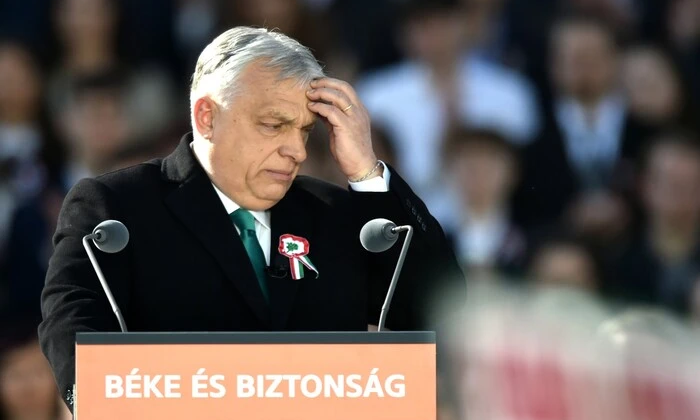
Mass Layoffs at Mediaworks
According to Главком: Mediaworks, a conglomerate that once controlled over a hundred pro-government publications across Hungary, has announced a major workforce reduction, resulting in the termination of approximately 400 journalists. This decision comes just two months after parliamentary elections saw Péter Magyar’s Tisza Party secure a constitutional majority. The group’s flagship daily, Magyar Nemzet, will now transition to a weekly format-a clear sign of profound shifts in Hungary’s media landscape.
The collapse of the Mediaworks media empire is unfolding alongside reforms being implemented by Magyar’s government in the state-run press. For 16 years, former Prime Minister Orbán used loyal media outlets to bolster his policies. Currently, Mediaworks is controlled by a foundation established by Orbán in 2018. The layoffs have affected editorial teams at several news websites, the tabloid Bors, and a number of regional newspapers. Magyar Nemzet, Hungary’s oldest daily newspaper, has been forced to reduce its publication frequency.
Impact on Independent Journalism
Election winner Péter Magyar relied heavily on social media and in-person meetings to communicate with voters. Independent journalism in Hungary, despite facing significant challenges, has survived through crowdfunding efforts. Notably, investigations by outlets such as Telex, 444, Direkt36, and Valasz Online played a crucial role during the election campaign.
Magyar’s government has launched a reform of the state press, placing state television and radio under the oversight of a newly established council. This council will ensure equal representation from the government, the opposition, and independent experts. Meanwhile, in December 2025, the European Commission initiated proceedings against Hungary for violations of media freedom. Brussels documented several issues:
- restrictions targeting journalists;
- failure to meet public broadcasting standards;
- lack of ownership transparency;
- discriminatory allocation of state advertising.
Zsolt Nagy Iván commented on the situation, calling it 'nothing short of a massacre.'
The situation in Hungary reflects unprecedented changes in the media landscape, driven by political transformation and new challenges for the journalistic community.
These developments underscore the importance of shifts in Hungary’s media environment, which could have long-term consequences for freedom of speech and independent journalism in the country. The reduction in the number of publications and the loss of jobs point to a potential concentration of information resources, which may limit diversity of opinion and critical coverage of key societal issues. At the same time, questions arise about how independent media outlets will adapt to these new conditions and continue fulfilling their role in a democratic society.
The recent layoffs at Mediaworks highlight the ongoing transformation in Hungary's media landscape, particularly in light of the new government's policies. In this context, the Tisza Party's proposal to reform public media aims to reshape how information is disseminated, potentially impacting the future of journalism in the country.

Read also