Robots, Not Infantry, Lead Ukraine’s First Capture of a Russian Position

Unmanned Systems Take Center Stage in Ukrainian Military Operations
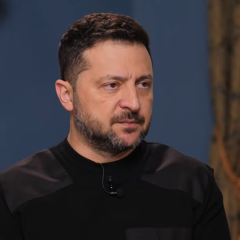
According to ХВИЛЯ: For the first time, Ukrainian forces seized a Russian position using only unmanned systems, with no infantry involvement. President Volodymyr Zelenskyy announced this milestone last week. The assault, carried out last summer by the 3rd Assault Brigade in the Kharkiv region, saw Ukrainian soldiers fire no shots during the operation. Instead, robotic systems handled the entire process of taking and holding the position.
“Our assault team entered the position and established control without firing a single shot.” - Mykola Zinkevych
This marks a shift in combat tactics, potentially removing infantry from direct enemy fire. As Zinkevych notes, 'Our goal for 2026 is to replace up to 30% of personnel on the most challenging front-line sectors with technology.'
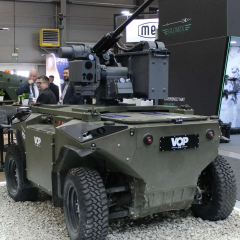
Two ground kamikaze robots led the attack; one destroyed the entrance to a Russian bunker. In response, Russian troops raised a cardboard sign signaling their surrender. Aerial drones then escorted two prisoners to Ukrainian lines. This operation underscores the new battlefield capabilities enabled by unmanned technology.
Capabilities and Future of Unmanned Systems
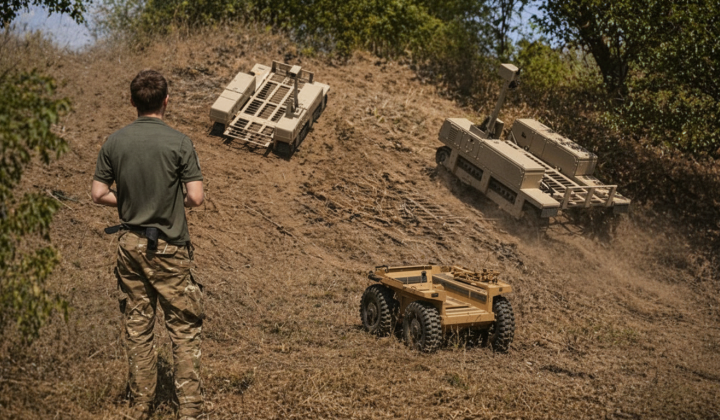
Ground systems perform a range of tasks, including:
- cargo delivery
- medical evacuation
- reconnaissance
- destruction of fortifications
- sabotage behind enemy lines
- mine-laying
The number of units using ground robots rose from 67 in November to 167 in March of this year. Ukraine’s Ministry of Defense has approved roughly 40 new robot models since the start of 2025, and by the end of last year, the army had received about 15,000 ground systems.
In the first half of 2026, Ukraine plans to contract 25,000 ground robotic systems. The stated goal is to achieve 100% front-line logistics through robotics. However, experts note that ground robots are limited by rough terrain and high vulnerability to enemy aerial drones. “One TerMIT laid over 1,500 anti-tank mines before the Russians destroyed it with several FPV drones,” reported Maksym Vasylchenko.
Authorities promise faster procurement contracts for new technologies, flexible pricing, a larger procurement budget for 2026, and exemption of robots from VAT. As the Carnegie Endowment for International Peace notes, “The scale, speed, and depth of changes we observe in Ukraine are already altering how wars are fought, how forces are organized, and how military power is built.”
Mykola Zinkevych emphasizes: “We are working to have robots absorb the main blow, while infantry becomes an elite, specialized force for tasks that robots cannot perform.”
This event highlights the growing role of unmanned technology in modern conflicts, potentially reshaping traditional combat approaches. Using robotic systems not only reduces risks to personnel but also opens new possibilities for strategic maneuvers on the battlefield. Gradually replacing some infantry with unmanned systems could become a key factor in future military campaigns, demanding adaptation in tactics and troop training.
This groundbreaking operation not only highlights the success of unmanned systems but also reflects a broader trend in modern warfare. To understand how Ukraine's combat robots are transforming the battlefield, it is essential to explore their evolving capabilities and the implications for future military strategies.

Read also