Russia's War Has Cost Ukraine Over 270,000 Hectares of Marine Protected Areas

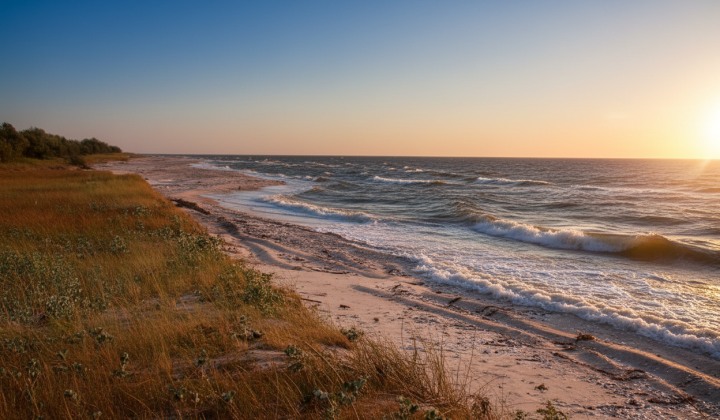
Ecological Devastation: Ukraine's Marine Sanctuaries Under Fire
According to Главком: Russia's full-scale invasion has resulted in Ukraine losing control of over 272,000 hectares of protected marine areas. The situation remains critical, with approximately 460,000 hectares of marine conservation zones now within active war zones along the Black Sea coast. Among the casualties are 27 territories of the Emerald Network, a European ecological conservation initiative, with another 11 caught in combat zones. Furthermore, 10 internationally significant wetlands are under occupation, and 7 more are directly impacted by military operations.
Ukraine's Most Precious Marine Habitats at Risk
Some of Ukraine's most ecologically valuable marine protected areas now face severe threats, including:
- Dzharylhach National Nature Park
- The Kinburn Spit
- Sviatoslav's White Shores
- Zernov's Phyllophora Field-the country's largest marine protected area
One of the most significant losses is the Snake Island (Zmiinyi Island) reserve, which has sustained the heaviest damage. In the Danube Biosphere Reserve, frequent oil spills and sunken ships are causing ongoing ecological harm. A fire sparked by a drone attack on January 2nd, according to environmental inspectors, caused damages estimated at 130 billion hryvnias (approximately $3.3 billion USD). Before the war, Zernov's Phyllophora Field was showing signs of natural recovery and improved ecological health. However, post-conflict, Ukraine will need to overhaul its Marine Conservation Strategy, implement new ecosystem restoration programs, and modernize its environmental damage assessment system, parts of which have not been updated since 1986.
In a rare positive development, the blockade of maritime access has reduced human pressure, allowing for a tentative recovery of sturgeon populations-including beluga, Russian sturgeon, and stellate sturgeon. These fish have already been spotted near Zaporizhzhia and Khortytsia, indicating a potential resurgence of biodiversity in the region. The destruction of these marine reserves represents a profound ecological crisis for Ukraine, threatening not only unique species but also the vital ecosystems that maintain environmental balance. Their restoration after the war will demand a comprehensive approach and significant investment in natural resource conservation.

Read also