Ukraine Shifts Strategy: Targeting Russian Refineries and Decision-Making Hubs

Ukraine’s Asymmetric Responses in the War Against Russia
According to ХВИЛЯ: Ukraine is increasingly relying on asymmetric tactics in its war with Russia, focusing strikes on critical infrastructure and command centers. Political psychologist Vsevolod Zelenin and political scientist Yuriy Romanenko analyze how effective this approach has been and what impact it has on Russia’s elite.
Zelenin pointed out that the Kremlin has historically treated populations in colonized regions as expendable, reflecting a deliberate wartime strategy. In his view, continuing the same bombing patterns will not lead to regime change. As he put it:
'As a political psychologist, I know for certain that you cannot change a regime through bombing.' Vsevolod Zelenin
He added: 'This is classic tsarist policy. They take those they’ve captured and send them to the front first, because they simply don’t care about them.'
The Impact of Attacks on Russian Infrastructure
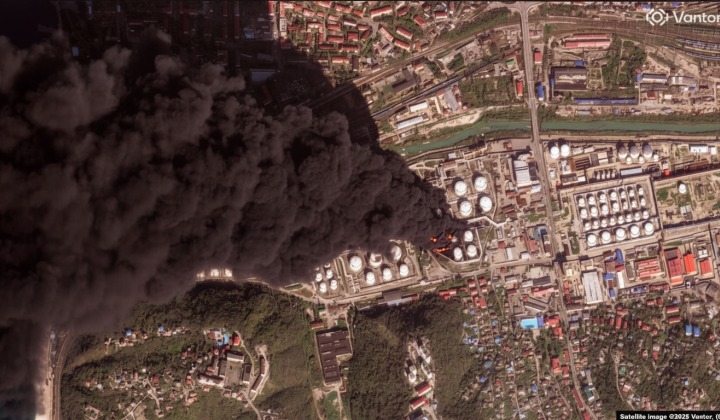
Romanenko highlighted successful Ukrainian drone strikes on Russia’s oil refining sector, specifically in Tuapse. According to him, 'You can see from Tuapse that this is a real pressure point.' He noted that the smoke plume from the Tuapse strike stretched 350 kilometers, showing the significant impact of such operations. 'In any uncertain situation, hit the oil refineries-this has become a real formula for success because it actually works,' Romanenko said.
The discussion also touched on the panic in Russia over alleged strikes on Putin’s residence. The experts cautioned against overconfidence, noting that 'the system adapts to the problems it faces.' Ukraine’s evolving strategy continues to spark debate among analysts who are assessing its effectiveness and long-term consequences for the conflict.
Zelenin emphasized the psychological dimension of the war, which he considers crucial for achieving ultimate victory:
'You have to understand that winning on the battlefield is just the result. The victory has to happen in the mind first.' Vsevolod Zelenin
He also warned of a systemic flaw in strategic thinking, using a chess analogy: 'This is a systemic mistake. It’s like in chess: a bishop can only move diagonally, and you can’t change that.'
Ukraine’s strategic actions-targeting critical infrastructure-are part of a broader effort to pressure Russia’s elite and shift the dynamics on the front lines.
The experts’ comments show that Ukraine aims not only to inflict economic damage on Russia but also to undermine the morale of its leadership. The relevance of these actions highlights the need to examine the psychological aspects of war, as success on the battlefield may depend on the ability to confront fear and uncertainty. At the same time, Russia is likely to adapt its strategies in response to Ukrainian strikes, requiring constant reassessment by Ukrainian military and political leaders.
As Ukraine continues to refine its military strategy, the implications of extending strike ranges have become increasingly relevant. Recent developments indicate that the capabilities of Ukraine's defense forces have significantly expanded, allowing for deeper strikes that could further disrupt Russian operations and infrastructure. This evolution in tactics not only aims to inflict immediate damage but also seeks to alter the strategic landscape of the ongoing conflict.

Read also