July 18 Ban on Bathing in Ukrainian Bathhouses Explained by ‘Sparrow Nights’ Tradition

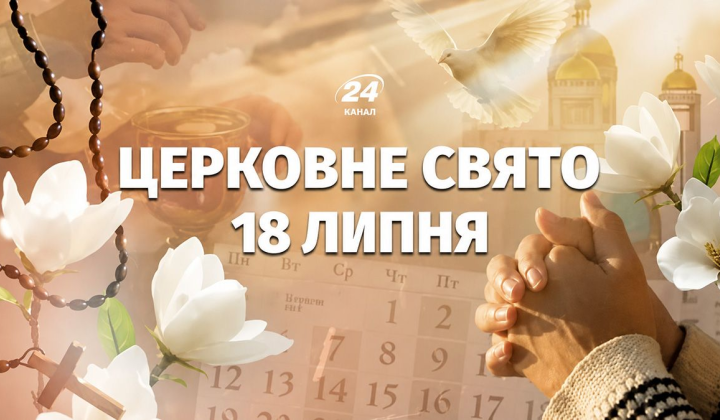
Commemoration of Saint Emilian the Martyr
According to 24 канал — Lifestyle: July 18 marks the feast day of Saint Emilian, a Christian martyr from the 4th century. He lived in Dorostolum (modern-day Silistra, Bulgaria) on the Danube River during the reign of Emperor Julian the Apostate. According to church tradition, Emilian smashed pagan idols and overturned altars in a temple, for which he was brutally beaten and sentenced to be burned alive. Miraculously, the flames did not harm him but instead turned on his persecutors. He then lay down on hot coals, prayed, and died.
Folk Customs for July 18
In Ukrainian folk culture, this date is tied to the end of the harvest season. People traditionally heat a bathhouse (laznya) and use brooms made of rye straw, wildflowers, and aromatic herbs for steaming. From this day onward, women begin preserving fruits, vegetables, mushrooms, and berries for winter. A local proverb says: ‘Emilian has come, found mushrooms and berries, and orders us to stock up.’ The term ‘Sparrow Nights’ (Horobyni nochi) comes from the fierce thunderstorms that often occur around this time, during which sparrows fly erratically in the darkness.
Certain restrictions accompany July 18. People are advised not to:
- Bathe alone in the bathhouse;
- Enter the bathhouse after sunset or after midnight;
- Disregard safety precautions during thunderstorms.
It was believed that a bathhouse spirit might take up residence, so following these rules was considered essential.
Name days on this date include Athanasius, Ivan, Emilian, and Stepan. Globally, July 18 is also observed as International Day of the Perfect Family, Nelson Mandela International Day, and World Listening Day-each highlighting family values, social justice, and mindful communication.
This intersection of religious observance and agrarian tradition reflects deep roots in Ukrainian culture, where faith and seasonal rhythms are closely intertwined. The warnings about the bathhouse and thunderstorms are remnants of ancient folk beliefs that still resonate during this stormy period. Meanwhile, the modern global observances add a contemporary layer, emphasizing family unity and civic responsibility.
As the traditions around July 18 unfold, it's interesting to note how the subsequent days continue to reflect similar cultural practices. For instance, just two days later, on July 20, Ukrainians honor Prophet Elijah with various folk beliefs and taboos that further enrich the summer's agricultural customs. To explore these intriguing connections and learn more about the significance of these observances, visit our article on the customs surrounding Prophet Elijah.

Read also