Potatoes, Lard, and Onions: What Penalties Do Ukrainian Travelers Face for Carrying Restricted Foods Across Borders?

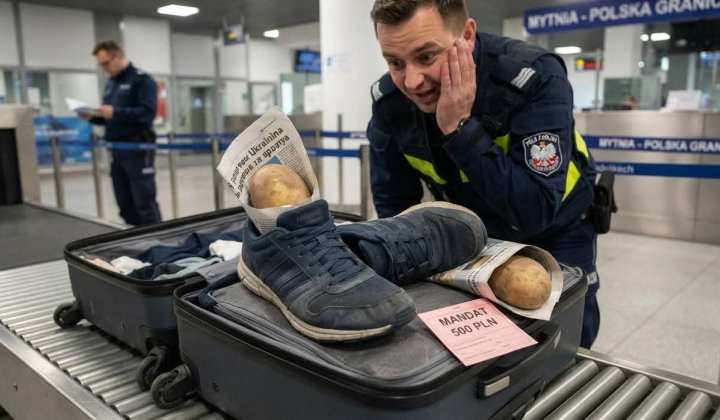
Instances of Prohibited Food Items Being Transported Across Ukraine’s International Borders
According to Radiotrek — Світ: On October 30, 2026, the international carrier MY WAY shared insights about various cases involving the transport of banned food products across Ukraine’s borders. The report highlights attempts by passengers to bring vegetables, fruits, meat, and dairy items across the border, detailing the consequences and regulations surrounding these actions.
Before departing from Ukraine to Poland, drivers remind passengers that carrying vegetables, fruits, meat, and dairy is prohibited. Despite these warnings, some travelers still ignore the rules. For example, during a customs inspection, officials found a potato wrapped in a newspaper inside each shoe of one passenger’s luggage. The potatoes were confiscated, and the passenger was fined 500 zlotys (approximately 6,000 hryvnias). As commentators noted,
“the story didn’t end well for the owner of the unusual baggage.”
Not all attempts to transport banned items ended in penalties. One woman carried onions intended for planting inside knee-high Gucci leather boots without any packaging and faced no issues. Another passenger, traveling to Poland with sandwiches and two apples, was advised by the driver to eat the apples before crossing the border. Unable to discard them, she began eating the fruit, and the driver kindly allowed her to keep an apple in her pocket. As she explained,
“I started eating the apple because there was nowhere else to throw it.”
In another case from September, a woman crossed into Hungary carrying three kilograms of lard in her backpack and passed through customs without trouble. Conversely, a young woman transporting about four kilograms of potatoes for her grandmother to Switzerland had the potatoes confiscated and discarded at the border. Commentators remarked, “Unfortunately, the supplies had to be left behind at the border.”
Other anecdotes include a traveler bringing a bouquet of magnolia from her garden, having previously attempted to bring lilac, earning her the humorous nickname “flower repeat offender.”
Transporting prohibited goods often causes extra inspections, delays, and inconvenience not only for those carrying the items but also for other passengers. MY WAY representatives emphasized, “When someone knowingly tries to smuggle banned products, everyone suffers. Additional checks, bus delays, waiting times at the border-dozens of innocent travelers lose precious time.”
This situation highlights the critical importance of adhering to transportation rules. Violations can result in fines and delays that impact all passengers, not just the offenders. Being fully informed about what is forbidden and the potential repercussions can reduce wait times at borders and improve the travel experience for everyone. Understanding and respecting customs regulations is essential to avoid complications during international journeys.
As travelers navigate the complexities of crossing borders with restricted items, it’s essential to understand the broader implications of travel regulations. A recent experience shared by a Ukrainian woman highlights the importance of keeping travel documents in order to avoid complications at border crossings. To learn more about her struggle and the critical role of proper documentation, read about her encounter at the Polish border here.

Read also