Fuel Shortage in Russia Drives Sharp Increase in Transport Costs

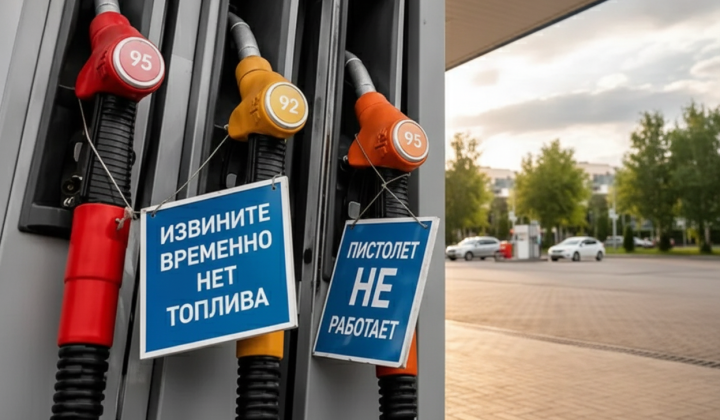
Russia's Fuel Crisis
According to Главком: A severe fuel shortage in Russia is pushing up the cost of road transportation and could accelerate inflation across the country. According to economist Vladislav Inozemtsev, official figures showing only a slight rise in fuel prices do not reflect reality. He states that available gasoline has actually become 20–25% more expensive, with some regions seeing hikes of up to 30%. Transport expenses are expected to climb by 15–20% by the end of the year, adding an estimated 1–1.5% to the annual inflation rate.
Economic Fallout
This fuel shortfall has created serious difficulties for many transport companies, which were already operating on razor-thin profit margins. Fuel can account for as much as one-third of the total cost of road freight. Carriers are also burdened by:
- toll roads,
- high vehicle taxes,
- and recycling fees.
Since road transport contributes roughly 4% of Russia's GDP, the current situation poses a significant threat to the broader economy.
Russian media report that commercial trucking firms are raising their rates in response to growing costs. Several major online marketplaces have also introduced a fuel surcharge on delivery fees, further impacting end consumers. The fuel crisis is being compounded by Ukrainian strikes on oil refining infrastructure, leading to long queues at gas stations. Across various regions, these lines are sparking arguments and even physical fights among drivers.
'Given the current fuel situation, transportation could become 15–20% more expensive by the end of the year, which will naturally affect overall inflation.' - Vladislav Inozemtsev
This fuel shortage in Russia carries potentially severe consequences for the national economy, as rising transport costs could significantly drive up the prices of goods and services. With road transport being a vital component of logistics and supply chains, a prolonged crisis may trigger additional socio-economic problems, including a decline in living standards. Experts are calling for urgent measures to stabilize the fuel market in order to prevent the situation from worsening further.
The ongoing fuel crisis is further exacerbated by recent events, particularly Ukrainian drone attacks on critical oil infrastructure, which have intensified supply challenges. This situation not only threatens transport costs but also raises concerns about the stability of the entire supply chain in Russia, potentially leading to even higher prices for everyday goods.

Read also