Foreigners Shocked by Ukrainian Cuisine: Jellied Meat, Pork Fat, and Fermented Bread Drink

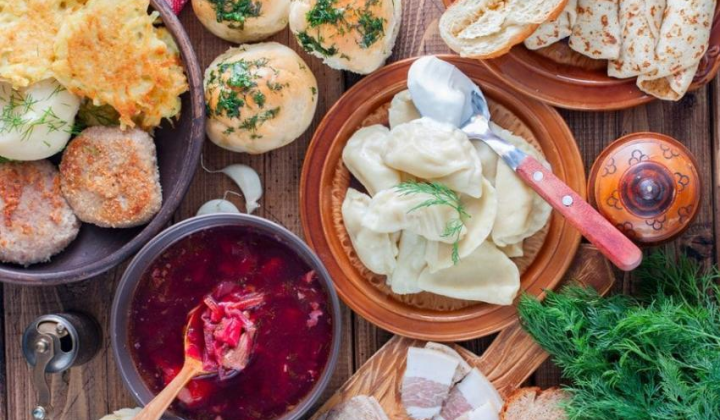
How Ukrainian Dishes Compare to Their European Counterparts
According to Radiotrek — Світ: Ukrainian cuisine is steadily gaining global recognition, yet several traditional dishes continue to baffle visitors from other cultures. This article examines why items like jellied meat (kholodets), borscht, varenyky (dumplings), syrnyky (cheese pancakes), pork fat (salo), dried fish (taranka), and fermented bread drink (kvas) provoke surprise or confusion among foreigners. It draws comparisons with European equivalents to highlight these culinary differences.
Unique Elements of Ukraine's Food Tradition
Kholodets, a savory meat jelly, often startles outsiders due to its gelatinous texture and appearance. While French cuisine has similar dishes like aspic or galantine, and German cooks prepare Sulz or Topfsulz, the Ukrainian version raises more eyebrows because of its distinct preparation and serving style.
Borscht, Ukraine's iconic beet soup, is also perceived differently by Europeans. Many cannot grasp why it is served without being strained. French and Italian palates lean toward creamy textures such as puréed soups or clear consommés, whereas Ukrainian borscht is thick and hearty. The rare European soups that contain vegetable chunks cannot match the richness of this dish.
Sweet varenyky cause the most astonishment among foreigners. These dumplings stand out due to their fillings and dough, which diverge from European versions. Syrnyky, essentially sweet cottage cheese pancakes, are fried-a method unfamiliar to those used to other ways of preparing cheese.
Salo, or raw cured pork fat, also generates bewilderment. Europeans accustomed to consuming fat in processed forms struggle with the idea of eating it unheated. Taranka and other dried fish, commonly enjoyed in Ukraine as a beer snack, are often described as a "beer nightmare." In Europe, dried fish like Scandinavian clipfish or stockfish are soaked for days in water before being cooked into hot dishes-a stark contrast to Ukrainian habits.
Kvas, considered "liquid black bread" in Ukraine, puzzles foreigners. This fermented beverage, rooted in Ukrainian culture, has no direct equivalent in most European nations. Similarly, Ukraine's fresh farmer's cheese lacks a precise match abroad, though Italian ricotta and English cottage cheese come closest.
"Viewing food as part of national identity is a key factor in understanding the depth and diversity of Ukraine's culinary heritage."
In summary, Ukrainian cuisine, with its unique dishes and flavors, continues to spark curiosity and surprise among people from other cultures as they try to grasp the nuances of its gastronomic traditions.
This analysis of Ukrainian cooking highlights not only the distinctiveness of its foods but also the cultural differences in how various countries perceive meals. Recognizing these disparities can foster greater integration of Ukrainian culinary traditions into global gastronomy and open new avenues for cultural exchange.
As Ukrainian cuisine continues to surprise international visitors, it's worth exploring the experiences of those who have embraced these unique dishes firsthand. A recent account from a Ukrainian woman living in Poland highlights the specific meals that leave Europeans in awe. To discover which dishes are most astonishing and why they differ from familiar flavors, read her insights in this article about the culinary surprises for Europeans.

Read also