Ukrainians to Pay Just 20% for Heating and Hot Water Following Russian Strikes

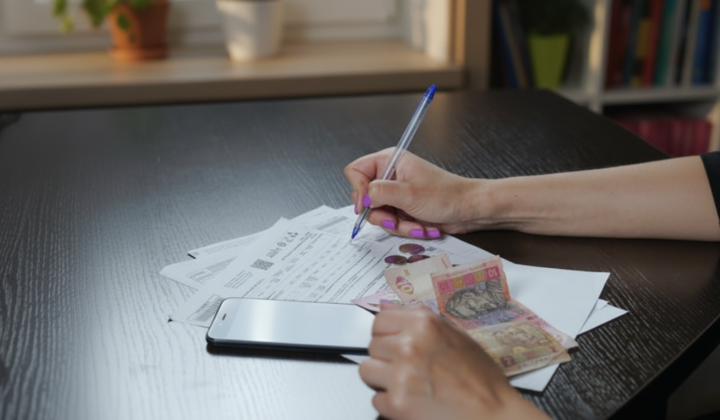
Revised Calculation Rules for Heating and Hot Water Costs
According to ХВИЛЯ: Ukraine's government has refined the method for recalculating heating and hot water charges for consumers. Under the updated framework, residents will only need to cover 20% of the cost for these services if they were disrupted or delivered poorly due to Russian attacks on energy and utility infrastructure. Prime Minister Yulia Svyrydenko announced the change.
New Billing Adjustments Take Effect
Under these new regulations, all heating and hot water suppliers-regardless of their location-must apply the recalculated rates. This measure is designed to boost compensation for households affected by emergencies. Additionally, local authorities can now tap into reserve funds from municipal budgets to reimburse utility companies for a portion of their expenses. Those funds will go toward repairing damaged infrastructure.
"The government has clarified the mechanism for recalculating heating and hot water costs during emergencies. This specifically covers situations where people were left without heat or hot water, or received substandard services, due to strikes on energy or utility infrastructure," Yulia Svyrydenko stated.
These adjustments to the billing recalculation process reflect the government's efforts to support citizens amid the war-induced energy crisis. They also highlight the need to safeguard consumer rights and ensure access to essential services despite the challenges of ongoing hostilities. Investments in infrastructure restoration and compensation for utility providers may prove crucial for stabilizing Ukraine's energy sector.
In light of these recent changes, it is important to note that similar adjustments have been made in the capital. The modifications to utility billing in Kyiv reflect a broader strategy to address the impacts of ongoing disruptions caused by Russian strikes, ensuring that residents are not unduly burdened during this critical period. Understanding these developments can provide further insight into the government's approach to managing the energy crisis and supporting affected households.

Read also