Abducted from Kherson, a Ukrainian Girl Now Lives as the Adopted Daughter of a Russian State Duma Deputy

The Abduction of Margarita from Kherson
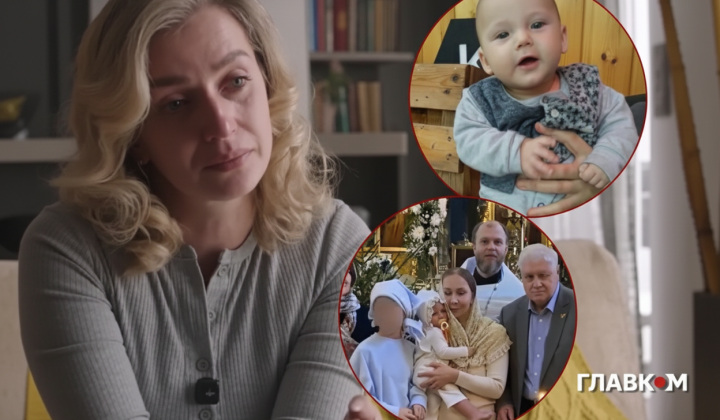
According to Главком: In 2022, a Ukrainian girl named Margarita was taken from occupied Kherson and later adopted by the family of Russian politician Sergey Mironov. Her legal guardian, Daria Repina, has spent five years fighting to bring her back. The child was transported to Russia in 2022, where her name was changed to Marina Sergeevna Mironova. She was placed in the home of Sergey Mironov, a State Duma deputy and the leader of the 'A Just Russia' party faction.
Margarita's biological mother is Yana Prokopenko, who also has an older daughter named Anna. Yana Prokopenko struggled with drug addiction and immediately relinquished her parental rights after giving birth on October 31, 2021. Daria Repina had already obtained guardianship of Anna in 2020. Before the full-scale war began, Repina ran a business and supported women through a nonprofit organization. By the time the conflict started, the paperwork for her guardianship of Margarita was nearly complete.
The Fight for Return
In August 2022, Inna Varlamova and Yana Lantratova arrived in occupied Kherson and took two children, including Margarita. By September 2022, the children had been moved through Crimea into Russia, where Margarita was adopted by Inna Varlamova, Sergey Mironov's wife. The girl's place of birth was officially changed to Podolsk, a suburb of Moscow, and she was baptized under her new name.
Journalist Victoria Novikova of The Reckoning Project helped confirm that Margarita had been taken to Moscow. Daria Repina sought assistance from the Dutch Emilia Foundation and participated in a press conference in Paris to draw attention to the case.
“I will never abandon her under any circumstances,” Daria said, emphasizing her determination to bring the child back.
She also expressed concern that Margarita might be treated as an orphan and called for a DNA test if there were any doubts about parental rights.
“If you love her, give her back. If you have doubts, let’s do a DNA test,” Daria added.
The director of the orphanage where Margarita had been staying noted, 'Ukraine currently has no say in these decisions.' For five years, Daria Repina has never stopped trying to reclaim the girl she considers her own. Meanwhile, Anna, Margarita’s older sister, has already asked, 'Mom, will you come get me?' These words reflect the deep family bonds and the hope for reunification.
Daria Repina’s efforts to bring Margarita home continue, drawing attention not only in Ukraine but also internationally.
This case highlights the complex legal and ethical issues surrounding child abductions during war and occupation. It also underscores the importance of international support in such matters, as returning a child to their biological family can symbolize the restoration of justice. Cases like this can have far-reaching consequences for families and societies affected by conflict, and they demand broad discussion at the global level.
As the struggle for Margarita's return continues, the complexities of parental rights and guardianship in times of conflict become increasingly apparent. Similar cases highlight the emotional and legal challenges faced by families, such as the recent review of a mother's sentencing for a tragic incident involving her son. To explore the implications of such cases on family dynamics and legal proceedings, read more about the legal challenges surrounding parental responsibilities.

Read also