Ukrainian Drones Destroy Eight Russian Vehicles in Lyman Sector

Signum Battalion Operations
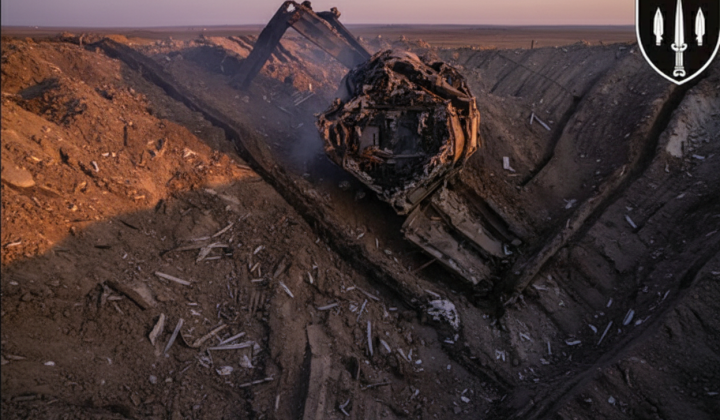
According to Главком: Drone operators from the Signum Battalion have eliminated eight pieces of Russian military logistics equipment in the Lyman direction. The unit released combat footage on its Facebook page showing strikes against enemy trucks and specialized vehicles. Ukrainian servicemen stated that 'Signum Battalion pilots burned eight Russian logistics vehicles.'
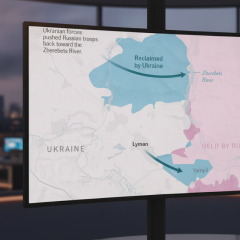
In the Lyman sector, Russian forces rely on small infiltration groups rather than large-scale mechanized assaults with heavy armor. They actively use logistics trucks to transport personnel, food, and ammunition, making these vehicles prime targets for Ukrainian troops, according to military officials.
Infrastructure Strikes Inside Russia
Separately, Ukraine’s defense forces struck the Novokuybyshevsk oil refinery in Russia’s Samara region. The area experienced drone attacks for the second consecutive night. Residents of Samara and Novokuybyshevsk reported explosions, and one apartment building in Novokuybyshevsk had its windows blown out. On the morning of April 18, the Samara region faced a massive drone assault, with the main blow hitting Novokuybyshevsk.
These events highlight the intensification of Ukrainian operations across multiple fronts, particularly the effective use of drones to hit enemy logistics targets. Destroying the equipment that supplies and moves Russian troops can significantly hinder their ability to conduct operations. Attacks on infrastructure inside Russia, including oil refineries, may also signal a shift in Ukrainian tactics in response to ongoing aggression. This underscores the critical role of logistics in modern warfare and the strategic importance of drones on the battlefield.
As Ukrainian forces continue to target Russian logistical capabilities, the recent operations highlight a broader strategy that includes significant strikes on enemy infrastructure. For instance, attacks on oil refineries and repair bases in occupied territories demonstrate the emphasis on crippling supply lines essential for sustaining military operations. This multifaceted approach underscores the critical impact of logistics in the ongoing conflict.

Read also