Investing in Skills, Technology, and Business Outcomes Drives Modern HR Budgeting


Transforming HR Budget Planning for the Future
According to AIHR: Human Resources budgeting is evolving beyond the traditional focus on last year’s expenses. Today, organizations prioritize investments that align with future business demands, competency development, and cutting-edge technologies. The old model-which centered on maintaining existing services based on historical spending-no longer meets the growing strategic role HR plays within companies. Instead, contemporary HR teams are channeling resources into skill enhancement, digital tools, workforce analytics, strategic workforce planning, managerial support, and new operational frameworks.
Modern HR budgeting emphasizes measurable business outcomes, upcoming workforce needs, and closing identified skill gaps. Data reveals that 59% of payroll expenses are allocated to roles with abundant talent availability, including personnel management, HR service delivery, and talent management. Meanwhile, 30.5% supports other functions like talent acquisition and learning and development. Only 10.5% of payroll is dedicated to fast-growing, specialized roles that are scarce in the labor market, such as HR technology experts, workforce analysts, and compensation system specialists.
Effective HR Budgeting Practices
One critical element of today’s HR budgeting approach is investing in the training and upskilling of HR professionals. For instance, a company with 4,500 employees that implemented structured training programs for its HR staff achieved cost savings and efficiency gains worth approximately $1.6 million. Over the past two years, 64% of HR organizations have redesigned their operating models; however, only 19% clearly defined responsibilities post-restructuring. This indicates that 60% of restructured HR functions neglected formal training on the new setup, potentially undermining performance.
Experts recommend seven best practices for HR budgeting, including:
- Aligning budget decisions with business outcomes;
- Reviewing current expenditures thoroughly;
- Matching spending to anticipated future needs;
- Safeguarding essential HR operations;
- Allocating funds for competency development;
- Documenting the budgeting strategy clearly;
- Conducting regular budget reviews.
Applying these guidelines helps HR teams manage resources more efficiently and better support organizational goals.
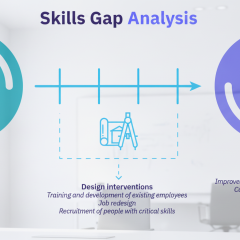
Examples of business-focused budgeting priorities include addressing workforce risks such as high vacancy rates, meeting business targets like improving customer satisfaction by 15%, and bridging competency gaps, for instance, enhancing leadership readiness among mid-level managers. As a result, modern HR budgeting becomes a vital tool for organizations to adapt swiftly to market shifts and maintain a competitive edge.
The shift in HR budgeting reflects the challenges companies face amid rapid technological advances and labor market changes. Putting resources into skill-building and adapting to new conditions enables businesses not only to sustain competitiveness but also to develop more agile and responsive teams. This transformation ultimately drives improved overall productivity and business performance.

Read also