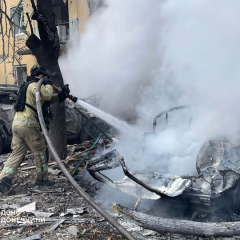
Ukrainian Drones Strike Oil Refinery in Russia’s Samara Region

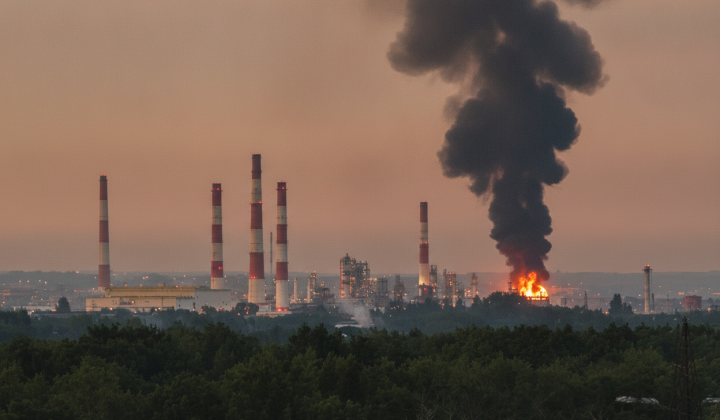
Novokuybyshevsk Refinery Targeted
According to Главком: On the night of June 10, drones attacked the Novokuybyshevsk oil refinery in Russia’s Samara region. Established in 1951 and operated by Rosneft, the facility has an annual capacity of 8.8 million tons of crude oil. It produces fuel for all types of transport and supplies raw materials for explosives, including benzene, phenol, acetone, and synthetic alcohol. The refinery lies roughly 900 kilometers from Ukraine’s state border. This strike is part of a broader campaign targeting Russian energy infrastructure.
The Novokuybyshevsk attack is one in a series of similar incidents. The first documented strike on this refinery occurred in March 2024, damaging the AVT-4 unit. In 2025 alone, drones hit Russian oil refineries at least 80 times, knocking out about 20% of their processing capacity. As of 2026, at least 12 refineries have been attacked, with five temporarily shutting down operations.
Timeline of Strikes on Novokuybyshevsk Refinery
The timeline of attacks on the Novokuybyshevsk refinery includes several major events:
- March 2024: The first attack severely damaged the AVT-4 unit, halting the entire production cycle.
- March 10, 2025: A strike on the refinery underscored its strategic importance.
- August 2, 2025: A large fire broke out, shutting down primary oil processing.
- October 19, 2025: The CDU-11 unit, with a capacity of 138,540 barrels per day, was hit, stopping processing again.
- November 16, 2025: Local residents reported around ten explosions.
- November 27: At least ten explosions were recorded over the refinery.
- January 2, 2026: A nighttime attack targeted the refinery and the nearby Kuybyshev plant.
- The last known attack before June 10 occurred on April 18, 2026, hitting the ELOU-AVT-11 unit and igniting fuel storage tanks.
These events highlight the growing threat of drone strikes on strategically vital Russian facilities, particularly oil refineries, which could significantly impact the country’s energy security.
Attacks on Russian oil refineries not only reflect increased drone activity but also pose serious risks to the energy sector. Since these plants are critical to national energy independence, such incidents can cause major fuel supply disruptions and affect economic stability. The trend of targeting strategic sites may also escalate regional tensions and create new security challenges.
The ongoing campaign against Russian energy facilities has seen another significant incident, as evidenced by the recent attack on an oil refinery in Saratov. This strike adds to the growing list of assaults targeting critical energy infrastructure, which have escalated in frequency and intensity. For a closer look at how these drone strikes are affecting the region, see more about the situation in Saratov.

Read also