Russian Oil Exports Disrupted by Ukrainian Drone Strikes, Yet Kremlin Revenues Surge

Drone Attacks Target Russian Oil Infrastructure
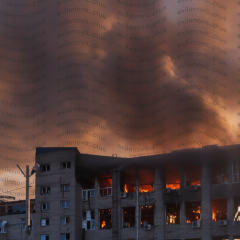
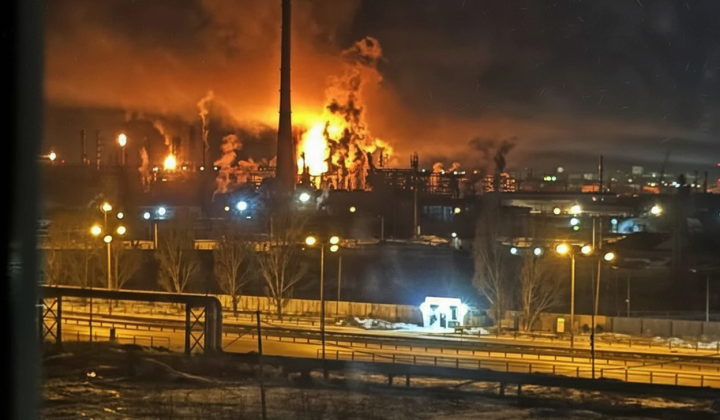
According to Главком: Ukrainian drone strikes on Russian oil infrastructure have significantly reduced the country's export capacity. Preliminary estimates indicate a daily reduction of approximately 2 million barrels. Key Baltic Sea ports, Primorsk and Ust-Luga, have been forced to halt operations, severely complicating oil exports. Additionally, the functioning of the Druzhba pipeline, which runs through Ukraine to Hungary and Slovakia, has been partially disrupted. These attacks are part of a broader Ukrainian strategy to target Russia's economic lifeline.
Impact on Oil Exports and the Russian Economy
Over the past month, strikes have also hit refineries and pumping stations within Russia, further compounding the logistical crisis. In response, Russia has partially redirected its exports toward Asian markets, particularly China. However, these new routes have limited capacity, creating additional supply difficulties. This situation highlights the complex and often unintended consequences of targeting energy infrastructure in a globalized market.
Despite the export bottlenecks, the price of Russia's Urals crude oil has risen sharply. For the first time since 2022, it is trading without a discount and is now more expensive than the benchmark Brent crude. On India's west coast, Urals crude reached $121.65 per barrel. This price surge has doubled Moscow's average daily revenue from crude exports. In March, revenues jumped from $135 million to $270 million, returning to levels last seen in March 2022.
Consequently, Ukrainian drone attacks have created significant new challenges for Russian oil exports while simultaneously driving up global oil prices.
This scenario underscores how military conflict can directly impact global energy markets and commodity prices.
Russia's shifting export routes and its attempts to adapt to these new conditions point to potential long-term consequences for its energy sector and for international supply chains. Future developments could affect the global economy, particularly in nations reliant on Russian energy resources.
As the situation evolves, it's essential to understand the broader implications of these developments on Russia's economy. Notably, recent increases in oil revenue have brought Moscow's earnings back to levels not seen since March 2022, despite the ongoing disruptions. This paradox highlights the intricate relationship between military actions and global energy prices, revealing how conflict can reshape market dynamics.

Read also