Ukrainian Companies Are Rapidly Adopting HR Automation on a Massive Scale

The Shift Toward Automated HR Processes
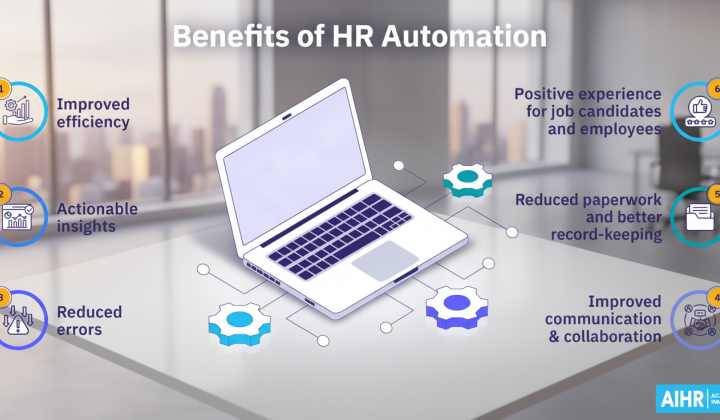
According to AIHR: In today's business landscape, companies are increasingly turning to automation to streamline administrative tasks and boost operational efficiency. Over recent years, the adoption of HR automation has surged by nearly 600%, highlighting a growing organizational appetite for tech-driven human resource management. According to a Deloitte report, HR staff spend 57% of their time on administrative duties, underscoring the urgency of transitioning to automated systems. This trend is particularly notable in Ukraine, where businesses are now embracing these tools to stay competitive.
Examples of Automation and Its Benefits
Key areas where HR automation is applied include:
- recruiting
- onboarding
- offboarding
- leave management
- compliance
- expense claims
- payroll processing
- tax reporting
- time tracking
- employee benefits
- performance monitoring
Companies like Mastercard have reported impressive outcomes from automation: they saw a 900% increase in candidate profiles and were able to schedule interviews 85% faster. KPMG also noted improvements, with employees rating their hiring experience 4.45 out of 5 after two years of using HR automation tools.
Furthermore, automating expense management can cut processing time by up to 67%. Canyon Ranch, for instance, reported that benefits automation saves roughly 120 administrative hours and $10,000 annually. These results demonstrate that automation not only boosts efficiency but can also significantly reduce costs.
However, rolling out HR automation comes with its own set of challenges. Key obstacles include:
- initial costs
- difficulties integrating new technologies
- employee resistance
- outdated HR operating models
To maximize the benefits of automation, companies are advised to:
- map and prioritize their processes
- choose scalable tools
- pilot solutions before full deployment
- embed data security measures
- train their teams
- retain the option for human intervention when necessary
Tracking ROI is also critical for assessing the effectiveness of implemented solutions.
A wide range of software solutions exists for automating HR processes. Popular providers include:
- BambooHR
- Gusto
- Namely
- Rippling
- Workday
- Greenhouse
- Lever
- SmartRecruiters
- Workable
These tools are already used by over 10,000 medium and large organizations, including more than 50% of Fortune 500 companies, confirming their effectiveness and widespread acceptance in the business world.
HR automation signals a major shift toward more technology-driven personnel management. The success stories of major corporations that have already adopted these solutions can serve as a model for other organizations looking to improve efficiency and cut costs. At the same time, businesses must be prepared for the challenges that may arise during the transition to automated systems, ensuring a smooth adaptation and maximizing the benefits of new technologies.
As organizations increasingly recognize the transformative power of automation in HR, it's essential to consider future trends shaping the industry. For instance, a recent study predicts that by 2030, a significant portion of HR tasks will be managed by AI, potentially revolutionizing how companies operate. Understanding these upcoming shifts can provide valuable insights into the evolving landscape of human resources. To learn more about the implications of AI in HR, read our article on AI's impact on HR tasks.

Read also