From July 1, Ukrenergo Will Hike Electricity Transmission Tariffs by Over 20%

Debate Surrounds the Revision of Electricity Transmission Charges
According to Главком: A proposed adjustment to the transmission tariff charged by NPC Ukrenergo has sparked discussion across Ukraine. Oleksandr Trokhymets, Vice President for Energy at the Ukrainian National Committee of the International Chamber of Commerce (ICC Ukraine), emphasized that the decision to raise the tariff boils down to a choice between covering current expenses or allowing debts to pile up in the future. He argued that if the tariff fails to allocate sufficient funds for these needs, the underlying issue won't disappear, and Ukrenergo will still have to keep the transmission system running.
Tariff Changes and Their Implications
On May 26, 2023, the National Energy and Utilities Regulatory Commission (NEURC) approved a draft resolution to increase the electricity transmission tariff. Under this plan, the rate would climb from 742.91 UAH per MWh to 903.53 UAH per MWh-a rise of 21.6%. The new tariff is scheduled to take effect on July 1, 2026.
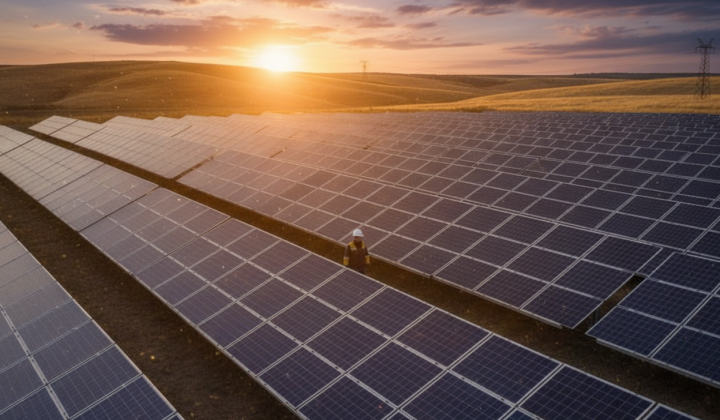
Trokhymets further noted that roughly 70% of the tariff increase is tied to purchasing electricity to cover technological losses. Another 20% stems from fulfilling special obligations to support households that have installed solar power plants and sell electricity under the green tariff. The draft tariff also highlights a reduction in the special obligations component for industrial renewable energy facilities.
"So, the question of revising the electricity transmission tariff remains pressing, and its resolution will have a significant impact on Ukraine's energy sector."
Oleksandr Trokhymets
The tariff hike, driven by higher costs for technological losses and support for renewable energy sources, is expected to generate widespread reactions among consumers and businesses in the field. The implementation of these new rates is anticipated to affect the electricity market and the financial stability of energy companies, which in turn could ripple through the broader economy.
As discussions surrounding the upcoming electricity transmission tariff increase intensify, it's essential to consider the broader implications for various sectors. Notably, anticipated tariff increases for businesses set to begin in 2026 could further complicate the financial landscape for companies relying on stable energy costs. Understanding these changes can provide insights into future challenges and opportunities within the energy market.

Read also