Ukraine's Power Grid Operator Warns of Mass Email Virus Campaign Traced to Russia

Fake Emails Targeting Ukrainians with Malware
According to Главком: A widespread phishing campaign is currently underway in Ukraine, with fraudulent emails appearing to come from the national power grid operator, Ukrenergo. The attackers aim to infect computers with malicious software designed to steal passwords and financial information. Authorities have traced this scam to Russia, raising serious alarms among cybersecurity experts and the public.
According to the Center for Countering Disinformation, Ukrenergo never sends power outage schedules or payment receipts via email. The scammers disguise their messages using the official-looking address [email protected]. Recipients are urged to download files supposedly containing updated blackout schedules or electricity bills. Hidden inside these files is a virus capable of harvesting personal data, passwords, or locking users out of their devices.
Security Measures and Recommendations
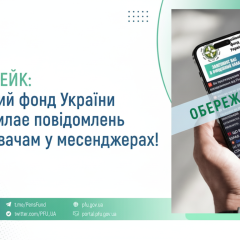
The team behind the state-run Diia service has also reported a fake website mimicking its official app. Scammers used a domain similar to the real Diia site and sent bogus notifications about unpaid traffic fines. In response to these threats, the Center for Countering Disinformation issued a statement:
This fraudulent email campaign originates from Russia and aims to steal passwords and banking details, as well as gain unauthorized access to Ukrainian citizens' devices.
Given the severity of these attacks, experts urge users to exercise extreme caution when opening emails. If you have already downloaded a harmful file, take immediate action:
- Disconnect from the internet right away: turn off Wi-Fi or unplug the network cable to prevent the virus from transmitting your data to hackers.
- Run a full system scan with a licensed antivirus program to detect and remove the malware.
- After cleaning your device, change all passwords for email, social media, and online banking accounts.
- Enable two-factor authentication on your accounts for an extra layer of security.
This incident highlights the growing importance of digital literacy in an era of escalating cyber threats. Scams disguised as official communications are becoming increasingly sophisticated, making it critical for users to verify the authenticity of any unsolicited messages. Understanding basic cybersecurity practices can help prevent significant financial loss and identity theft.
In addition to the email scams targeting users, there has been a rise in fraudulent applications, particularly a fake version of the Diia app, which is designed to steal personal information from unsuspecting Ukrainians. This alarming trend highlights the need for heightened vigilance against cyber threats as scammers continue to exploit the current situation for malicious purposes.

Read also