EU Funds Bomb Shelters for Hospitals and Kindergartens in Six Ukrainian Frontline Regions

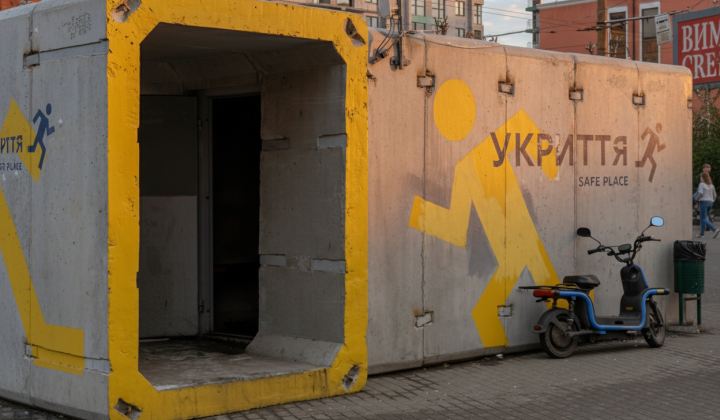
Constructing Shelters in Ukraine
According to Главком: The European Union, through its Ukraine Facility program, will finance the construction of protective shelters for hospitals and kindergartens in six Ukrainian regions near the front lines. This initiative aims to enhance safety in areas that have suffered the most severe consequences of the ongoing war. A total of seven shelters are planned, with four designated for hospitals and three for kindergartens.
Locations and Implementing Agencies
The construction will take place in the following oblasts:
- Chernihiv
- Dnipropetrovsk
- Kherson
- Mykolaiv
- Odesa
- Sumy
Project implementation will be managed by Lithuania's Central Project Management Agency (CPMA) and the Belgian development agency Enabel. In a related effort, the Ukrainian government has reallocated 231 million hryvnias to finalize the construction of school shelters in 11 other oblasts.
These national funds will support 22 projects, which are already over 60% complete, in the following regions:
- Dnipropetrovsk
- Zaporizhzhia
- Kirovohrad
- Lviv
- Mykolaiv
- Odesa
- Poltava
- Rivne
- Sumy
- Kherson
- Khmelnytskyi
“The projects were selected in close cooperation with local communities. We revised our approach to prioritize support for regions closest to the frontline, where the need for safety infrastructure is most critical.”
Ihor Terekhov, Mayor of Kharkiv
This shelter project is part of a broader effort by Ukraine and its international partners to improve security in conflict-affected regions. These investments are vital for Ukraine's resilience, as they help protect vulnerable populations and maintain essential social services. Building shelters for medical and educational facilities is crucial not only for saving lives but also for preserving the social infrastructure necessary for the eventual recovery of these communities. The implementation of such projects underscores the urgent need to adapt Ukraine's healthcare and education systems to the realities of war.

Read also