Robots Can Now Learn Human Movements Thanks to an Ultrasonic Wristband

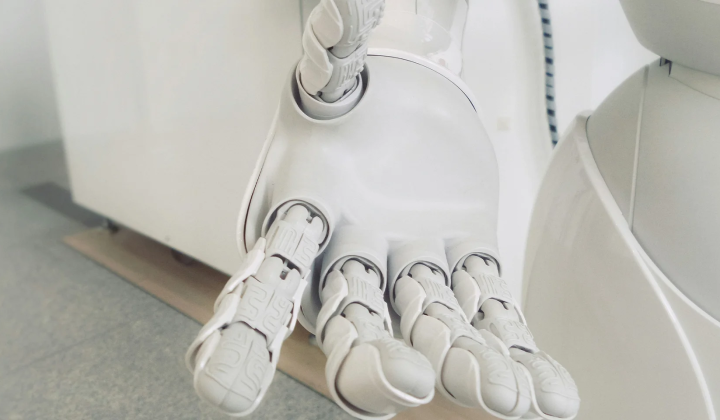
Groundbreaking Ultrasonic Bracelet Tracks Hand Motions in Real Time
According to НВ — Техно: On June 11 at 2:00 PM, news broke about a newly developed ultrasonic bracelet designed to monitor hand movements and train robots. This cutting-edge device uses high-frequency sound waves to scan structures beneath the skin of the wrist, delivering precise motion data.
Equipped with a wireless 256-channel ultrasound imaging system, the bracelet continuously tracks all 22 degrees of freedom of the human hand-a critical feature for accurate gesture recognition. A Transformer-ResNet artificial intelligence model processes the collected data, ensuring high-performance motion identification.
Testing and Capabilities of the Bracelet
During lab trials, the bracelet was tested on eight volunteers. The system replicates hand gestures with a lag of just 120 milliseconds, a major milestone for motion-tracking tech. It can also recognize all 26 letters of American Sign Language, unlocking new ways to interact with people who use sign language.
To showcase the device’s potential, a team led by Xuanhe Zhao demonstrated object manipulation in virtual reality and controlled a robotic hand playing the piano. These examples highlight the bracelet’s wide range of applications-not only in robot training but also in real-world technology interactions.
Earlier, scientists had developed devices for monitoring internal organs, the heart, bladder volume, and brain blood flow, as well as flexible disposable ultrasound patches. The ultrasonic bracelet represents another leap forward in using ultrasound technology to enhance robot learning and human-machine interaction.
This innovation could impact fields such as medicine, education, and robotics by improving communication between people and machines. Successful deployment may also create new opportunities for individuals with disabilities, offering tools for greater societal participation through sign language and other forms of interaction.
As advancements in robotic technology continue to unfold, the learning capabilities of robotic hands are becoming increasingly impressive. For instance, a recent development showcased a four-fingered robotic hand that learned to play the piano in just two minutes, demonstrating the rapid progress in this field. Such innovations complement the ultrasonic bracelet's potential, highlighting the synergy between human motion tracking and robotic functionality.

Read also