Ukraine’s Long-Range Drones Now Regularly Strike the Urals and Siberia

Ukraine’s Long-Range Drones Turn the Urals into a Regular Target
According to ХВИЛЯ: Industrial sites, airports, and military bases in the Urals and Siberia are increasingly being hit by Ukrainian long-range drones and missiles. These strikes have forced Russian authorities to close airports and reshuffle the leadership of the Aerospace Forces, eroding the sense of security among civilians in what was once considered the deep rear.
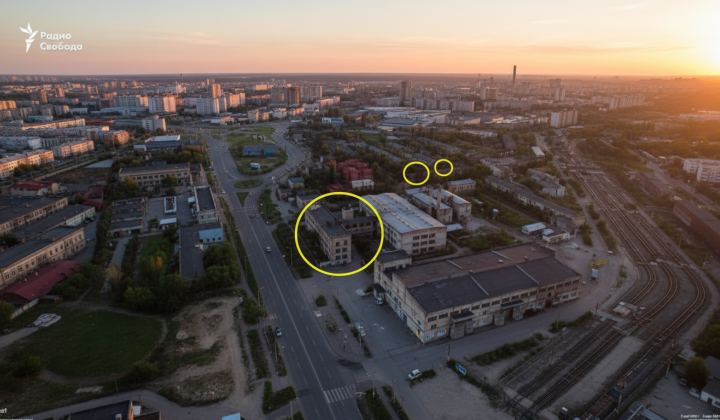
On April 25, 2026, a drone struck a residential high-rise in Yekaterinburg, a city of over 1.5 million people. This marked the first documented damage to infrastructure in Yekaterinburg since the full-scale invasion began in 2022. Located 1,700 kilometers from the Ukrainian border, the city has experienced significant disruption: its airport has suspended operations five times since the start of April 2026 due to drone threats.
Long-Distance Strikes and Their Fallout
On April 29, 2026, President Volodymyr Zelensky stated that Ukraine can now hit targets more than 1,500 kilometers away, putting roughly a quarter of Russia’s territory at risk. That same day, drones attacked the Shagol airbase in the Chelyabinsk region. According to Ukraine’s General Staff, several Su-57 and Su-34 aircraft were damaged at Shagol. A separate drone strike on the Permnefteorgsintez plant, owned by Lukoil, caused a fire and damaged a primary oil refining unit. The Perm region lies 1,500 kilometers from the border, and its airport has been closed around 15 times since the start of 2026-seven of those closures occurring after early April.
Ukrainian strikes have also reached the Orenburg region, 1,200 kilometers from the border. In 2025, a drone was recorded in the Tyumen region of Siberia, 2,000 kilometers from Ukraine. Additionally, Ukraine hit military-industrial facilities in Cheboksary with domestically produced Flamingo cruise missiles, which traveled over 1,500 kilometers. Cheboksary produced navigation components and equipment for the Russian military. Russia’s Defense Ministry reported shooting down six Flamingo missiles in a single day.
Reactions in Yekaterinburg vary.
“It was a shock. Even though no one died, people finally realized the city is no longer a deep rear area.” - Volodymyr, a local entrepreneur
Political analyst Andriy Kolesnikov added: “People adapt to everything, but fatigue is growing and turning into irritation.” In response to these threats, Russia replaced the commander of its Aerospace Forces with Colonel General Oleksandr Chaika.
These new drone attacks on remote Russian territories signal a shift in Ukrainian military tactics, demonstrating an ability to reach targets at great distances. This has serious implications for security in Russia, heightening tensions not only among the military but also among civilians. Documented infrastructure damage in major cities like Yekaterinburg shows that the war can affect daily life even in regions once considered safe. How Russian authorities respond to these threats could further reshape the country’s domestic political landscape.
The recent escalation in drone strikes highlights a significant shift in Ukraine's military capabilities, with a substantial portion of Russian territory now vulnerable. For a deeper understanding of this development and its implications, see how Ukrainian drones have expanded their reach and the potential consequences for the region.

Read also